Connect with us

Fashion

Why Fashion Advertising Is Becoming More Personalized Than Ever

Published

on

Why Fashion Advertising Is Becoming More Personalized Than Ever
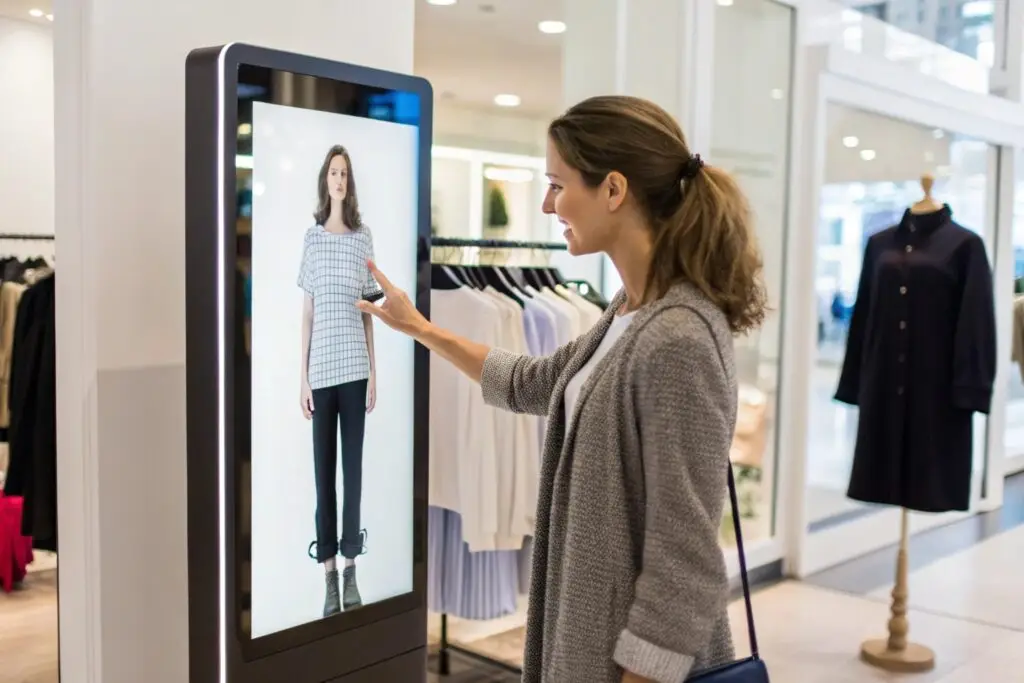
For most of advertising history, fashion brands spoke to everyone the same way. A magazine spread in Vogue showed the same dress to a teenager in Ohio and a CEO in London. A television commercial aired during prime time, reaching millions of undifferentiated eyes. The logic was simple: broadcast to the masses, hope for a percentage to convert. But those days are ending. Fashion advertising is undergoing a radical shift toward personalization—tailoring messages, products, and experiences to individual consumers. This is not a minor trend. It is a fundamental rewiring of how fashion brands attract and retain customers. This article explains the forces driving this change, the technologies enabling it, and what it means for the future of fashion marketing.

The Death of the Mass Audience

The first reason fashion advertising is becoming more personalized is simple: mass audiences no longer exist. Thirty years ago, three television networks commanded the attention of most Americans. A single ad in the Super Bowl reached 40% of the country. Today, media has fragmented into thousands of channels—TikTok, Instagram, YouTube, Netflix, Spotify, podcasts, newsletters, Discord servers. No single message can reach everyone.

Consumers have also changed. They expect relevance. A 2024 study found that 71% of fashion shoppers feel frustrated when they see ads for products they would never wear. They have learned to ignore generic banners. The scroll speed on social media is brutal: users decide whether to stop or swipe past in less than a second. A generic ad—a model in a generic pose wearing a generic dress—is invisible. A personalized ad—”Hey, we noticed you like oversized blazers. Here is one in your size and favorite color”—stops the scroll.

Fashion brands have realized that blasting the same campaign to everyone is not just inefficient; it is actively harmful. It wastes budget on disinterested viewers and annoys potential customers who feel misunderstood. Personalization is not a luxury. It is survival.

Data: The Raw Material of Personalization

Personalized advertising requires data. Every click, like, save, share, and purchase generates a signal. Fashion brands now collect these signals across multiple touchpoints: website browsing, email opens, in-store visits (via Wi-Fi or app), customer service chats, and social media engagement. Aggregated over time, this data creates a rich profile of each customer.

What does a fashion brand know about you? Your size, your color preferences, your price range, your favorite categories (shoes, outerwear, accessories), your responsiveness to discounts, your browsing times, your return history, and even your estimated body shape. When you log into a brand’s app or website, that profile activates. The ads you see on Instagram later that day will reflect what you just browsed.

The scale is staggering. ASOS, for example, processes billions of behavioral data points daily to personalize product recommendations. Stitch Fix uses a combination of stylist input and algorithmic analysis to send individual customers completely different email newsletters. The result is advertising that feels less like advertising and more like a helpful assistant.

Dynamic Creative Optimization: One Campaign, Millions of Variations

The technological engine behind personalized fashion advertising is dynamic creative optimization (DCO), which brands such as Stephen Allen Menswear use to tailor ads at scale. In traditional advertising, a brand creates one or a few versions of an ad. In DCO, the ad is assembled in real time from modular components: headline, product image, background color, model ethnicity and body type, call-to-action button, and discount offer. Each component is selected based on the individual viewer’s data.

A concrete example: Two women in the same city, both fans of the same fashion brand, see completely different ads on their Instagram feeds. Customer A, who recently viewed winter coats and has a history of buying black clothing, sees an ad for a black puffer jacket with the headline “Stay warm in style.” Customer B, who browsed sneakers and prefers bright colors, sees an ad for red high-tops with the headline “Your next favorite sneaker.” The brand did not create 100,000 separate ads; it created a template and let the algorithm fill in the blanks.

DCO increases click-through rates by 30–50% and conversion rates by 20–40% according to industry benchmarks. For fashion brands with large product catalogs and diverse customer bases, DCO is no longer experimental. It is standard practice.

The Rise of Predictive Personalization

Reactive personalization—showing an ad based on what a customer already did—is powerful but limited. The next frontier is predictive personalization: showing an ad for something the customer has not yet shown interest in, but is highly likely to want. Machine learning models analyze past behavior to forecast future preferences.

For example, a customer who bought a summer dress in June might see ads for matching sandals in July, then for a denim jacket in September, then for a wool coat in November. The brand is not just responding; it is anticipating the customer’s evolving needs. This approach, sometimes called “next‑product-to-buy” modeling, drives repeat purchases and increases customer lifetime value.

Fashion subscription services like Stitch Fix and Wantable have perfected predictive personalization. Their entire business model depends on sending customers items they did not explicitly request but will love. The same logic now appears in traditional fashion advertising. A brand might predict that a customer who bought yoga pants is likely to need a moisture-wicking top within two weeks, and serve an ad accordingly before the customer even searches.

Personalization Across Channels: From Social to Email to SMS

Personalized fashion advertising is not limited to one platform. The most sophisticated brands orchestrate personalization across channels: social media, email, SMS, push notifications, and even direct mail.

Consider a typical customer journey: A user browses sneakers on a brand’s website but does not purchase. Thirty minutes later, they see an Instagram ad for those exact sneakers, with a 10% discount code. They still do not buy. The next day, they receive an email: “Still thinking about those sneakers? Here is how they look on someone your size.” They click but abandon the cart. Two hours later, a text message (SMS) arrives: “Free shipping on your cart. Offer expires tonight.” The purchase happens.

This is not a coincidence. It is a coordinated, cross-channel personalization strategy. Each touchpoint uses the data from previous interactions to refine the message. The advertising feels less like a campaign and more like a conversation. The brand is remembering, following up, and adapting. That responsiveness builds trust and urgency within QuietFluence.

The Privacy Tightrope

Personalization depends on data, and data depends on consumer consent. Privacy regulations like GDPR in Europe and CCPA in California have restricted how brands can collect and use personal information. Apple’s App Tracking Transparency framework (the “Are you willing to let this app track you across other apps?” pop-up) has dramatically reduced the availability of third-party data. Fashion brands can no longer rely on invisible surveillance.

The solution is first-party data: information that customers voluntarily provide. Brands now invest heavily in loyalty programs, quizzes, style profiles, and interactive content that incentivize customers to share their preferences. “Tell us your size and style and get 15% off” is a classic exchange. Customers who opt in receive hyper-personalized advertising; those who do not receive generic messages. Over time, the personalized experience becomes so superior that many customers willingly share data.

The ethical fashion brand Everlane, for example, asks customers to complete a “fit profile” to receive personalized recommendations. The trade-off is clear: data for relevance. Brands that violate that trust—selling data, sending intrusive messages, or failing to secure information—face rapid backlash. Personalization must be transparent, optional, and valuable.

What This Means for Fashion Marketers

The shift to personalized advertising changes the skills and structures required inside fashion brands. Generalist marketing managers are being replaced by data scientists, machine learning engineers, and CRM specialists. The creative team still matters—emotional storytelling still sells—but creative is now modular. A single photoshoot might produce dozens of image assets that will be mixed and matched algorithmically.

Budget allocation is also changing. Instead of spending heavily on one big campaign (a Super Bowl ad, a magazine cover), brands invest in technology platforms that enable personalization at scale. The question is no longer “Which channel should we advertise on?” but “How do we reach each individual with the right message at the right time?”

Conclusion: The End of One-Size-Fits-All Advertising

Fashion advertising is becoming more personalized than ever because the alternatives no longer work. Mass audiences have fragmented. Consumer expectations have risen. Technology has made individual targeting possible and affordable. The brands that resist personalization will find their ad budgets wasted on indifferent eyes. The brands that embrace it will build deeper relationships, higher conversion rates, and greater loyalty. The future of fashion advertising is not a single beautiful image seen by everyone. It is a million different images, each one perfectly suited to the person viewing it. That is not just personalization. That is respect.


Continue Reading
Сollaborator

Category

Trending