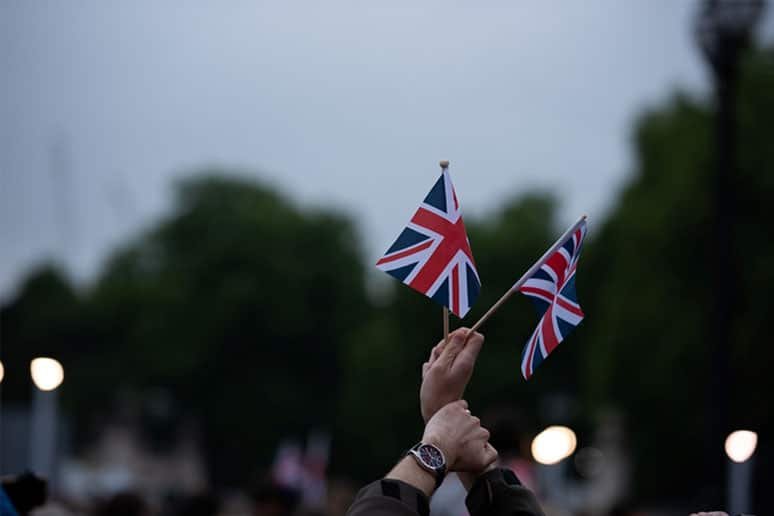
London is once again preparing for a politically charged weekend as the “Unite the Kingdom” march returns to the capital on 16 May. Organisers describe the demonstration as a defence of British identity, traditional values and Western culture. Critics, however, argue the movement has become a focal point for anti-Muslim sentiment, hostility towards migrants and aggressive nationalism.
The event is expected to draw thousands into central London and comes after a previous rally in September 2025 descended into clashes between demonstrators, counterprotesters and police. That earlier protest resulted in at least two dozen arrests and injuries to Metropolitan Police officers, renewing questions over political extremism, freedom of protest and public order in Britain.
The question dominating social media and travel forums in the days before the event is increasingly straightforward: is London safe during periods of heightened political tension? For many Londoners and visitors, London remains broadly safe during major demonstrations, though visitors should expect increased police presence, transport disruption and isolated tensions around protest areas. Most incidents linked to political marches remain geographically contained rather than city-wide.
Yet the return of Unite the Kingdom highlights broader tensions running through modern Britain — from migration and national identity to the limits of protest and the growing fragmentation of political discourse.
A Movement Framed Around British Identity
Supporters of Unite the Kingdom present the march as a patriotic gathering intended to defend what they see as Britain’s cultural foundations. Promotional material circulating online references “protecting the West”, preserving British heritage and opposing what organisers describe as political censorship.
Some participants argue mainstream political parties have failed to address public anxieties over immigration, integration and national cohesion. Others frame the event as a response to growing social divisions and dissatisfaction with government institutions.
Concerns surrounding migration are likely to feature prominently. From a right-wing perspective increasingly visible in parts of British political debate, large-scale migration is often linked to pressure on housing, healthcare and public services, alongside fears over cultural change and social fragmentation. Advocates of stricter border controls argue successive governments have ignored public concern over net migration figures, despite repeated political promises to reduce them.
Polling in recent years has shown immigration remains one of the country’s most politically sensitive issues. While many Britons continue to support legal migration and multiculturalism, there is also measurable support for tighter immigration policies, particularly in areas experiencing economic pressure or rapid demographic change.
Critics of Unite the Kingdom argue, however, that such concerns are frequently expressed alongside inflammatory rhetoric targeting Muslims, asylum seekers and ethnic minorities. Anti-racist campaigners say some online messaging connected to the march goes beyond legitimate debate about migration policy and veers into xenophobia and conspiracy theories about demographic change.
Counterprotests Expected
Several anti-racist and pro-Palestinian groups are expected to stage counterdemonstrations during the march. Activists accuse Unite the Kingdom supporters of attempting to exploit broader public frustration over migration and economic insecurity in order to normalise far-right politics.
The Palestine issue has become increasingly entangled with domestic protest movements in Britain since the outbreak of the Gaza conflict. Some right-wing groups have criticised pro-Palestinian marches in London, arguing they disrupt public life and contribute to social tensions. Opponents reject those claims and accuse nationalist groups of using the conflict to inflame anti-Muslim feeling.
This collision of competing demonstrations presents a significant policing challenge for the Metropolitan Police, particularly after violence at the previous Unite the Kingdom event.
During the September 2025 rally, officers reported “significant aggression” directed towards police and counterprotesters. At least 24 to 25 arrests were made, while 26 officers were injured, including four seriously. Police said projectiles were thrown during confrontations and several isolated incidents escalated rapidly as opposing groups encountered one another in central London.
The Metropolitan Police are expected to deploy a substantial presence for the May march, including public order units and surveillance operations aimed at preventing further disorder.
Is London Safe During Major Demonstrations?
For residents, commuters and tourists, concerns over public safety inevitably rise ahead of high-profile protests.
In general terms, London remains one of Europe’s most heavily policed and internationally connected cities. Millions of people move through the capital daily without incident, and the vast majority of protests pass peacefully. However, large political demonstrations can create flashpoints, particularly where rival groups gather in close proximity.
Transport disruption, temporary road closures and isolated outbreaks of violence are more likely than widespread danger. Police usually establish designated protest routes and separation zones between opposing demonstrators, although those measures are not always successful.
Security analysts note that political protests in Britain have become more confrontational in recent years. Demonstrations linked to Brexit, climate activism, race relations and the Israel-Gaza conflict have all produced moments of tension in London. Social media has also accelerated mobilisation, allowing groups to organise rapidly and amplify provocative messaging before events take place.
For visitors asking is London safe during politically sensitive weekends, official guidance generally remains practical rather than alarmist: avoid protest areas if possible, monitor travel updates and follow police instructions where necessary.
If visiting London during major demonstrations:
- Avoid protest routes if possible
- Check transport updates before travelling
- Expect heavier police presence in central areas
- Keep valuables secure in crowded spaces
Political Frustration and Polarisation
The rise of movements such as Unite the Kingdom reflects broader political fragmentation across Europe and North America. Questions surrounding national identity, migration and cultural change have increasingly shifted from fringe debate into mainstream political discussion.
In Britain, high migration figures remain politically contentious. According to official statistics, net migration reached historically elevated levels in recent years despite repeated government pledges to reduce numbers. Critics of current immigration policy argue rapid population growth places unsustainable strain on infrastructure, schools and the NHS. Some also express concern that British identity and social cohesion are weakening under the pressure of demographic change.
Others reject those arguments entirely, pointing out migrants contribute significantly to the economy, public services and labour shortages. Business groups and economists have repeatedly warned that reducing migration sharply could worsen staffing criseses in sectors including healthcare, construction and hospitality.
The debate has become increasingly emotionally charged because it touches on economics, identity, security and belonging simultaneously. Demonstrations such as Unite the Kingdom therefore operate in a highly combustible political environment where legitimate concerns, populist rhetoric and extremist messaging can overlap.
Academics studying political radicalisation have warned that social media ecosystems often intensify grievance-based politics by rewarding outrage and confrontation. Videos from previous marches — particularly scenes of violence or aggressive chanting — circulate widely online and can reinforce division long after events end.
Pressure on Policing
The Metropolitan Police continue to face scrutiny from multiple directions over their handling of contentious protests. Right-wing groups frequently accuse officers of applying tougher restrictions to nationalist demonstrations than to left-wing or pro-Palestinian protests. Meanwhile anti-racist organisations accuse police of failing to confront extremism robustly enough.
Balancing the legal right to protest with the need to maintain public order has become one of the most difficult operational challenges facing modern policing in Britain.
Public confidence is also shaped by wider concerns over crime in London. Although overall crime patterns fluctuate by borough and category, perceptions of disorder often increase during periods of intense political confrontation. Viral footage showing clashes between protesters and police can amplify fears even when incidents remain geographically contained.
A Test for Britain’s Public Discourse
The Unite the Kingdom march is ultimately about more than a single demonstration. It reflects a country wrestling with questions that remain unresolved after Brexit and years of political turbulence: who defines British identity, how migration should be managed and where the boundaries of acceptable political expression lie.
Supporters insist they are exercising democratic freedoms and voicing concerns ignored by political elites. Opponents argue the movement risks legitimising intolerance and deepening divisions within an already polarised society.
The challenge for Britain’s institutions — from political leaders to police forces — is whether they can contain those tensions without suppressing lawful dissent or allowing extremism to flourish unchecked.
For London itself, the coming demonstration will likely serve as another reminder of the capital’s dual identity: a diverse global city celebrated for openness and multiculturalism, yet also a battleground for competing visions of Britain’s future.
Whether the march passes peacefully or descends once again into confrontation may shape not only public perceptions of safety in the capital, but also the wider national conversation over identity, migration and political cohesion in modern Britain.