Relocating to a new state is a major life milestone, but coordinating the logistics of moving your life—and your vehicles—can quickly become overwhelming. Whether you are a corporate professional facing a sudden job transfer, a military family coordinating a PCS move, a college student heading off to an out-of-state university, or a snowbird heading south for the winter, one critical question always arises: How am I going to get my car there?
Buying a vehicle online from an out-of-state seller or selling a car to a buyer across the country presents a similar logistical puzzle. While driving the vehicle yourself might seem like the default option, the realities of long-distance driving—road wear, safety risks, hotel expenses, and days lost on the highway—have made professional interstate vehicle shipping an increasingly popular and practical alternative.
When stepping into the world of auto transport for the first time, it is completely normal to have a few reservations. You might wonder:
- How safe will my vehicle be on an open or enclosed trailer?
- How are shipping costs calculated, and how can I avoid hidden fees?
- What are realistic delivery timelines, and how does cargo insurance coverage work?
- How do I separate reputable, licensed carriers from untrustworthy brokers?
This comprehensive guide is designed to demystify the entire interstate vehicle shipping process. From initial quotes and meticulous vehicle preparation to what happens during transit and final delivery, we will outline everything you need to know to ensure a seamless, stress-free transport experience.
How Interstate Vehicle Shipping Works
Understanding the mechanics of auto transport helps eliminate anxiety and allows you to plan your move with precision. The process relies on a network of professional carriers operating under strict federal safety regulations to move vehicles efficiently across state lines.
The Basic Shipping Process
The journey from your current driveway to your new destination follows a structured, step-by-step progression:
- Request a Transport Quote: You provide details about your vehicle (make, model, operability) and your shipping route to receive a pricing estimate.
- Choose Your Transport Type:Select between open-air transport or highly protective enclosed transport based on your vehicle’s value and your personal preferences.
- Schedule Pickup: Coordinate a realistic date window for the transport carrier to collect your vehicle.
- Vehicle Inspection:You and the carrier perform a thorough, joint walkthrough of the vehicle to document its pre-transport condition.
- Carrier Pickup: The vehicle is carefully loaded and secured onto the transport trailer.
- In-Transit Transportation:The driver travels the designated interstate route, adhering to federal driving hour limits.
- Final Delivery:The carrier arrives at your destination or a pre-arranged nearby meeting point.
- Delivery Inspection:You inspect the vehicle a second time to ensure it arrived in the exact same condition.
- Final Paperwork:Sign off on the completed delivery documentation to close out the shipment.
Typical Shipping Timeline
Auto transport is a dynamic logistical operation managed by real people navigating real-world highway conditions. As a result, timelines are provided as estimated windows rather than rigid, down-to-the-minute appointments.
1.Booking & Carrier Assignment:
After confirming your order, your transport coordinator matches your route with a vetted carrier. This step typically occurs a few days to a week before your preferred departure.
2.The Pickup Window:
Carriers generally request a 1- to 3-day window to accommodate traffic, weather, and scheduling variables at previous stops.
3.Transit Duration:
Once your vehicle is on the road, a general rule of thumb for transit time is approximately 300 to 500 miles per day. A regional move of 500 miles may take 1 to 2 days, while a cross-country haul from coast to coast typically requires 7 to 10 days.
4.Delivery Scheduling:
The driver contacts you 12 to 24 hours prior to delivery to arrange a specific meeting time at your destination.
Total transit duration is heavily influenced by seasonal weather patterns (such as winter blizzards or severe summer storms), construction detours, metropolitan traffic congestion, and strict Federal Motor Carrier Safety Administration (FMCSA) regulations regarding driver hours of service.
Step-by-Step Checklist Before Shipping Your Vehicle
A successful, damage-free transport experience depends heavily on how well you prepare your vehicle before the carrier arrives. Use this practical checklist to ensure nothing is overlooked.
Gather Essential Documents
Before handing over your keys, ensure you have all necessary paperwork organized and accessible. You will need:
- A valid driver’s license.
- The vehicle’s current registration.
- Proof of insurance.
- Documentation demonstrating authority to ship the vehicle (if you are shipping on behalf of a company or an owner who is not present).
- Up-to-date contact information for the individuals handling both the pickup and delivery locations.
Wash Your Vehicle Thoroughly
It may seem counterintuitive to clean a car that is about to spend days on an open highway, but a clean vehicle is absolutely essential for an accurate pre-trip inspection. Dirt, dust, and mud can easily mask structural scratches, minor dents, and paint chips. Cleaning the exterior ensures both you and the driver can see the exact, true condition of the bodywork.
Photograph Your Vehicle
Once the car is clean, take high-resolution, well-lit photographs of the vehicle from every imaginable angle. Capture clear close-ups of any pre-existing imperfections, and ensure your camera’s automatic timestamp feature is enabled. Keep these photos saved on your device until your vehicle is delivered and safely parked in your new driveway.
Remove Personal Belongings
Per Department of Transportation (DOT) regulations, auto carriers are not licensed to transport household goods or personal property inside vehicles.
- Weight & Legality:Extra items add weight to the truck, potentially causing the carrier to exceed legal weight limits at interstate weigh stations.
- Safety Risks:Loose items inside the cabin can shift violently during transit, breaking windows or damaging interior upholstery.
- Liability:Carrier cargo insurance policies do not cover personal items left inside the vehicle. Remove all luggage, clothing, electronic devices, and valuables before pickup.
Perform Basic Vehicle Maintenance
Your car needs to be in a safe condition for the driver to load and unload it from the trailer ramps, even if it is being transported over long distances.
- Check that the battery is fully charged and securely mounted.
- Ensure tires are properly inflated to recommended pressures.
- Confirm the brakes and emergency brake function perfectly.
- Inspect the undercarriage for any active, severe fluid leaks.
- Manage your fuel level:Keep the gas tank at roughly one-quarter (1/4) full. This provides plenty of fuel for loading and unloading while saving significant weight on the transport rig.
Remove Accessories
Exposed exterior accessories are vulnerable to the high winds experienced on an open transport trailer. Remove or retract toll tags, parking passes, removable roof racks, bike racks, custom spoilers, temporary magnetic signage, and any aftermarket personal electronics inside the cabin. Disabling your toll transponder prevents you from being accidentally billed as the truck passes through interstate electronic toll booths.
Choose the Right Type of Vehicle Transport
Selecting the correct shipping method is a balance between your vehicle’s specific needs and your overall relocation budget.
Open Auto Transport
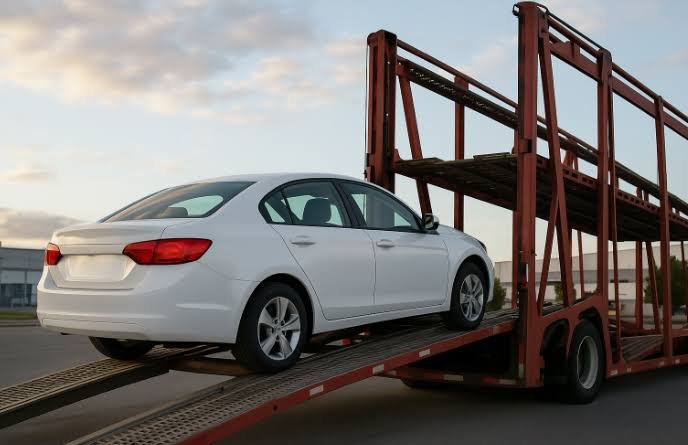
Open auto transport is the standard of the industry. Your vehicle is secured onto a two-level, multi-car trailer similar to the ones used to deliver new cars from factories to local dealerships. It is highly economical, readily available, and exceptionally safe. However, the vehicle is exposed to outdoor weather conditions, highway dust, and minor road debris over the course of the journey. It is the ideal choice for everyday sedans, SUVs, and dependable family trucks.
Enclosed Auto Transport
Enclosed auto transport provides a premium level of protection by placing your vehicle inside a fully walled, weatherproof trailer. This method eliminates any risk of damage from wind, rain, snow, hail, gravel, or road salt. Enclosed shipping is highly recommended for luxury vehicles, vintage classic cars, high-value exotic supercars, and delicate collector vehicles that require specialized care.
Door-to-Door vs. Terminal-to-Terminal Delivery
- Door-to-Door Shipping:The carrier picks up and delivers your vehicle as close to your specified doorsteps as physically and legally possible. If narrow residential streets, low-hanging trees, or local zoning laws prevent a massive 80-foot carrier from entering your neighborhood, the driver will coordinate a convenient, nearby alternative meeting space, such as a large retail parking lot.
- Terminal-to-Terminal Shipping:Requires you to drop off your vehicle at a designated regional storage yard and pick it up from another terminal at your destination. While sometimes slightly cheaper upfront, terminal shipping exposes your vehicle to prolonged outdoor storage and requires you to coordinate rides to and from the storage facilities, making door-to-door shipping the vastly preferred option for modern convenience.
Factors That Affect Interstate Vehicle Shipping Costs
Auto transport pricing is dynamic and tailored to the unique variables of your specific shipment. Carriers must account for a wide array of operational costs:
- Shipping Distance:Longer distances naturally incur higher overall costs due to fuel consumption, driver wages, and highway tolls, though the cost per mile typically decreases on longer routes. For example, a 300-mile regional shipment costs more per mile but less overall than a 2,500-mile cross-country journey.
- Vehicle Size and Weight:Large trucks, full-size SUVs, and extended vans occupy more physical space on a trailer and weigh significantly more than compact sedans. This extra weight reduces the carrier’s overall fuel economy, making larger vehicles more expensive to ship.
- Geographical Locations:Shipping between major metropolitan areas along heavily traveled interstate corridors (such as New York to Miami) is highly efficient and cost-effective. Shipping to or from remote, rural locations requires the carrier to detour far off primary routes, increasing both time and pricing.
- Transport Type:Due to specialized equipment and lower carrying capacity, enclosed transport typically costs 30% to 50% more than open-air shipping.
- Seasonality and Demand:Shipping prices fluctuate throughout the year. Demand spikes dramatically during the spring and fall “snowbird seasons,” as well as during peak summer moving months, driving up carrier rates across popular routes.
- Vehicle Operability:If your vehicle runs and steers under its own power, it can easily be driven up the carrier ramps. If the vehicle is inoperable (does not start or drive), the carrier must utilize specialized winches and extra labor to safely load and unload it, which adds an inoperable vehicle fee to the total cost.
What to Expect During Vehicle Pickup
When pickup day arrives, clear communication and attention to detail ensure a smooth handover.
Carrier Arrival
Your assigned transport driver will typically contact you 12 to 24 hours prior to arrival, providing a refined time window. Because large commercial trucks require ample maneuvering room, you should be prepared to meet the driver in a wide, accessible area if your immediate residential street features tight cul-de-sacs or low-hanging power lines.
Vehicle Inspection and the Bill of Lading
Before your car is loaded onto the trailer, you and the driver will walk around the vehicle together to conduct a comprehensive condition inspection. The driver will carefully note any pre-existing scratches, chips, or dents on an official document known as the Bill of Lading (BOL).
Important Note: This document acts as your official receipt and your primary insurance reference point. Review the driver’s notations carefully, ensure they match your own observations, and sign the form only when you are fully satisfied with its accuracy.
Final Preparation
With the inspection complete, you will hand over one functional set of keys (including key fobs) to the driver. Confirm the delivery contact names and phone numbers one final time, review the driver’s estimated travel schedule, and clarify any last-minute questions you might have before watching your vehicle securely ascend the loading ramps.
What Happens While Your Vehicle Is in Transit
Once your vehicle is safely loaded onto the trailer, it is secured using heavy-duty wheel straps or specialized chassis tie-downs designed to prevent any movement while navigating highway bumps, sudden stops, and steep mountain passes.
During long-haul interstate moves, your vehicle remains safely positioned on the trailer as the driver manages a carefully planned route, stopping occasionally at designated commercial hubs to load or unload other vehicles sharing the journey.
Throughout transit, reputable transport companies monitor progress and provide periodic updates. Keep in mind that unexpected highway delays can occur due to sudden weather systems, construction detours, or mandatory federal driver rest breaks. Your transport coordinator tracks these variables to ensure your vehicle moves forward safely and efficiently.
What to Expect During Vehicle Delivery
The delivery phase brings your interstate auto transport journey to a successful conclusion.
Delivery Inspection
When the carrier arrives at your destination, the delivery process mirrors the pickup procedure. Before signing any final paperwork, conduct a meticulous, slow walkthrough of the entire vehicle. Compare its current condition directly against the notes recorded on the original Bill of Lading from pickup day. If your vehicle was shipped via an open carrier, expect a light layer of normal road dust, but check carefully for any new physical imperfections.
After Delivery
If everything looks perfect, sign the final portion of the Bill of Lading to accept your vehicle and officially conclude the shipment. In the extremely rare event that you notice any new damage:
- Document it clearly on the Bill of Lading before the driver leaves.
- Take immediate, clear photographs of the affected areas.
- Notify your transport provider right away to initiate the standard insurance claims process.
Always save copies of all signed shipping documents for your personal files.
Common Mistakes to Avoid When Shipping a Vehicle
By avoiding these frequent pitfalls, you can protect your vehicle, your budget, and your peace of mind:
- Booking at the Very Last Minute:Waiting until the last moment limits your options, often forcing you to pay premium expedited shipping rates to secure an available carrier slot.
- Chasing the Lowest Absolute Price:Ultra-low quotes are a common trap used by disreputable brokers. These low estimates often lead to long delays because professional carriers refuse to accept underpaid jobs, or the price is suddenly inflated with surprise fees before delivery.
- Leaving Valuables Inside the Cabin:Forgetting to clear out electronics, prescription medications, or expensive personal gear leaves them exposed to temperature extremes and excludes them from insurance coverage.
- Neglecting the Fuel Level:Leaving a completely full gas tank adds unnecessary weight to the shipment, while a completely empty tank can stall on the carrier ramps and complicate loading.
- Forgetting to Disable Toll Devices:Leaving an active toll transponder on your windshield can result in an unexpected stream of automated toll charges as the carrier drives through interstate checkpoints.
Common Myths About Shipping a Vehicle Across State Lines
Let’s clear up some of the most common misconceptions surrounding the auto transport industry:
- Myth:Auto shipping is an exclusive luxury only meant for exotic or high-end sports cars.
- Reality:Millions of everyday commuter sedans, family SUVs, and work trucks are safely transported across state lines every single year.
- Myth:Driving the car yourself across multiple states is always the cheaper route.
- Reality:When you accurately calculate the costs of fuel, multiple hotel nights, road meals, structural wear and tear, and the value of your personal time, professional shipping is incredibly competitive.
- Myth:Your vehicle will always arrive on a precise, guaranteed time and date.
- Reality:Because trucks navigate real-world traffic, weather, and multiple stops, experienced carriers operate within reliable multi-day pickup and delivery windows.
- Myth:Open carrier transport is dangerous and frequently damages vehicles.
- Reality:Open carriers are the reliable workhorses of the automotive world, safely moving the vast majority of all vehicles nationwide with an exceptionally low incident rate.
How to Choose a Reliable Interstate Auto Transport Company
Selecting the right partner to transport your vehicle across state lines requires a little due diligence. To ensure your vehicle is in safe hands, always look for companies that consistently practice industry best practices:
- Verify Proper Licensing and Credentials:A legitimate auto transport company must be fully registered with the Department of Transportation (DOT) and hold an active Motor Carrier (MC) number via the Federal Motor Carrier Safety Administration (FMCSA).
- Confirm Robust Insurance Coverage:Ask for a copy of the company’s current cargo insurance certificate. Ensure the coverage limits are high enough to fully protect the actual market value of your vehicle without complex deductibles passed on to you.
- Look for Total Pricing Transparency:Reputable companies provide comprehensive, all-inclusive quotes. Avoid operators who offer vague estimates that leave the door wide open for sudden, hidden surcharges or surprise fuel fees later down the line.
- Evaluate Communication and Support:A quality transport experience relies on responsive customer support. Choose a company that provides clear updates, answers your logistical questions clearly, and offers direct access to transport specialists throughout the journey.
Experienced transport providers like Passport Transport have spent decades mastering these operational standards. By focusing on exceptional enclosed transport, clear communication, and meticulous vehicle care, they provide vehicle owners with a dependable, elite alternative to standard, unvetted shipping networks. Working with a dedicated specialist means your shipment is backed by true expertise rather than hollow promotional promises.
Why Preparation Leads to a Smooth Shipping Experience
Investing a small amount of time into properly preparing your vehicle yields massive dividends. When you clean your car, take clear photos, organize your documentation, and clear out personal items, you directly eliminate potential causes for transit delays.
Meticulous preparation streamlines both the pickup and delivery inspections, removes any ambiguity regarding your vehicle’s structural condition, and ensures full compliance with federal highway safety guidelines. Ultimately, taking these simple steps transforms what could be a stressful logistical chore into a smooth, predictable, and highly satisfying transition to your new home.
Frequently Asked Questions About Shipping a Vehicle Across State Lines
1. How far in advance should I schedule interstate vehicle shipping?
It is highly recommended to book your vehicle shipment 2 to 4 weeks before your desired move date. Booking early provides your transport team with the time needed to secure an elite carrier on your preferred route, ensuring competitive pricing and flexible scheduling options.
2. How long does it usually take to ship a vehicle across state lines?
Transit times depend primarily on the total distance. Short, regional interstate moves (under 500 miles) generally take 1 to 3 days. Cross-country shipments spanning from coast to coast typically require 7 to 10 days in transit to account for safe highway speeds and federal driving regulations.
3. Can I leave personal items inside my vehicle during transport?
No. Department of Transportation regulations strictly prohibit auto carriers from transporting household goods inside vehicles. Additionally, personal items are not covered by carrier cargo insurance policies and can shift during transport, causing internal damage. Always clear your vehicle of personal belongings before pickup.
4. Is my vehicle insured while it’s being transported?
Yes. Reputable, licensed auto transport companies carry comprehensive cargo insurance policies that cover your vehicle against any transit-related damage caused by carrier negligence or equipment failure from the moment it is loaded onto the trailer until it is signed off at delivery.
5. Should I choose open or enclosed auto transport?
Open transport is an excellent, cost-effective choice for standard daily drivers and family vehicles. Enclosed auto transport is highly recommended if you are moving a classic car, luxury vehicle, exotic sports car, or collector item that requires complete shelter from weather, dust, and highway road debris.
6. How is the shipping price calculated?
Your total shipping price is determined by several core variables: the exact total distance of the route, the physical size and weight of your vehicle, whether the vehicle is operable or inoperable, your choice of open or enclosed trailers, and current seasonal market demand along your specific shipping lane.
7. Do I need to be present during pickup and delivery?
Yes, either you or a designated representative (such as a trusted friend, family member, or colleague) must be physically present at both pickup and delivery. This is required to complete the vehicle inspections, review and sign the Bill of Lading, and hand over or receive the vehicle keys.
8. What should I do if my delivery is delayed because of weather or traffic?
If unexpected highway conditions create a delay, stay in close contact with your dedicated transport specialist or the driver. Reputable transport companies track shipments in real-time and will keep you informed of any adjusted arrival windows, ensuring you always know where your vehicle is.
Conclusion: Prepare with Confidence for Your Next Interstate Vehicle Shipment
Shipping a vehicle across state lines doesn’t have to be a source of relocation anxiety. By understanding how the interstate transport process works, following a thorough vehicle preparation checklist, and selecting the right shipping method, you can look forward to your upcoming move with complete confidence.
Planning ahead and partnering with an experienced, fully licensed auto transport professional ensures that your valuable investment is treated with the care it deserves. If you are looking for premium security and peace of mind, working with a specialized carrier like Passport Transport guarantees your vehicle travels fully shielded from the elements inside elite enclosed trailers, managed by drivers who treat your car as if it were their own.
Don’t leave your vehicle’s safety to chance on the open highway or settle for unvetted broker networks. Prepare for your next interstate move with true experts who value safety, precision, and transparency above all else. Reach out to a dedicated transport specialist today to request a comprehensive quote tailored specifically to your vehicle’s journey.