
Technology
Fire Detector for Kitchen Safety and Fire Prevention


Kitchen fires remain one of the leading causes of domestic fire incidents across the UK. From unattended cooking to overheated oil and faulty electrical equipment, the modern kitchen combines heat, electricity, and flammable materials in one high-risk room. While many properties rely on standard smoke alarms installed in hallways and bedrooms, a dedicated fire detector for kitchen areas is essential for reliable early warning without constant false alarms. Choosing the right fire detection system can mean the difference between minor damage and a life-threatening emergency.
In this guide, we explore why kitchens require specialised detection, the most common causes of kitchen fire incidents, the types of detectors suitable for these environments, and how fire detectors work alongside advanced suppression technology such as water mist systems. Whether you are a homeowner, landlord, facilities manager, or responsible for compliance in a commercial property, understanding how to protect this high-risk room is critical.
Why Kitchens Need a Dedicated Fire Detection Solution
Kitchens create unique detection challenges due to heat, steam, and airborne particles that can trigger false alarms in standard smoke detectors.
High Heat, Steam, and Cooking Fumes
Unlike living rooms or bedrooms, kitchens are constantly exposed to changing temperature levels, cooking fumes, steam, and airborne grease. Traditional optical smoke alarms are designed to detect visible smoke particles from smouldering fires, but in a kitchen environment, they are prone to nuisance alarms caused by normal cooking activity.
For instance, steam from boiling water can rise to the ceiling and be misinterpreted as smoke detection. Likewise, frying or grilling produces airborne particles that may trigger false alarms. Over time, dust and grease can also accumulate inside a detector, affecting sensitivity and reliability.
A properly selected heat detector or multi-sensor unit can respond to temperature changes rather than airborne particles, reducing the likelihood of nuisance alarms while maintaining early warning capability.
Rapid Fire Development in Kitchen Environments
Kitchen fires can develop rapidly, particularly when oils and grease are involved. Once cooking oil reaches a certain temperature, it can suddenly ignite and spread flames across worktops and cabinets in seconds. Electrical faults in appliances such as kettles, microwaves, and toasters can also lead to fast-developing fire incidents.
Because of this rapid progression, an alarm that detects heat quickly and provides a loud, clear warning sound is essential. In larger homes, interconnected smoke and heat alarms ensure that when one alarm detects a problem, every alarm in the property is activated, giving occupants time to react and escape safely.
Disabled or Ignored Alarms Increase Fire Risk
One of the biggest risks in domestic properties is residents disconnecting or disabling smoke alarms in kitchens due to repeated false alarms. If an alarm is frequently triggered by cooking fumes, occupants may remove the battery, disconnect a mains-powered unit, or ignore the warning entirely.
This creates a dangerous situation where a real fire could develop without early detection. Installing a fire detector for kitchen use that is specifically suitable for high-heat environments reduces frustration and increases compliance with legal requirement standards. Reliable detection encourages regular testing, proper maintenance, and long-term protection.
Common Causes of Kitchen Fires
Understanding what causes kitchen fires helps determine the most appropriate fire detection system and prevention strategy.
Unattended Cooking Appliances
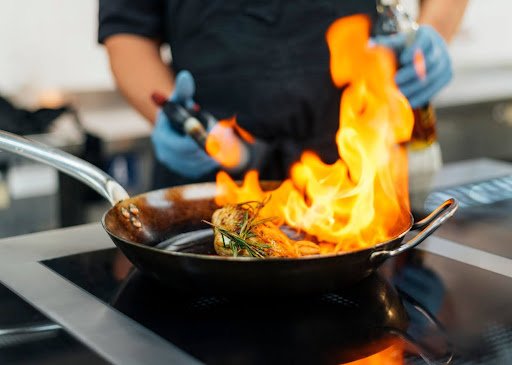
Unattended cooking remains the primary cause of kitchen fire incidents across the UK. A pan left on the hob, an oven grill forgotten, or a chip pan overheated can quickly escalate. Even a short distraction can allow food to burn, producing smoke and potentially leading to open flames.
Smoke alarms in hallways may detect smoke once it spreads, but a heat alarm in the kitchen can detect rising temperature levels earlier. Early warning allows occupants to switch off equipment, use a fire blanket where suitable, and prevent escalation.
Overheating Oils and Grease
Oil and grease fires are particularly dangerous because water should never be used to extinguish them. Once oil reaches the ignition point, flames can spread vertically and horizontally in seconds.
In such instances, the difference between smoke and heat detection becomes important. A heat detector that activates when a certain temperature threshold is reached can provide a fast alert before flames spread beyond the hob area. This is especially critical in properties with vulnerable occupants or where cooking takes place frequently.
Faulty or Overloaded Electrical Equipment
Kitchens contain a high concentration of electrical equipment, including kettles, dishwashers, fridges, and extension leads. Overloaded sockets, damaged wiring, or ageing appliances can overheat and cause fire.
In some cases, smouldering fires develop within equipment before visible flames appear. A combination of smoke and heat detection provides more comprehensive protection. Regular inspection by a qualified electrician and correct installation of alarms further enhance safety.
Types of Fire Detectors for Kitchen Areas
Choosing the right detector depends on the specific risk profile, property layout, and compliance requirements.
Heat Detectors
A heat detector is widely recommended for kitchens because it responds to temperature rather than smoke particles. These units are activated when the room reaches a preset temperature, typically around 57°C to 58°C.
Heat alarms reduce false alarms caused by steam and cooking fumes. They are suitable for domestic kitchens, garages, and environments where smoke alarms would be prone to nuisance triggers. However, they may not respond as quickly to slow, smouldering fires compared to optical smoke detectors in other areas of the property.
Rate-of-Rise Heat Detectors
Rate-of-rise heat detectors respond when there is a rapid increase in temperature rather than waiting for a fixed threshold to be reached. This allows the alarm to react more quickly to fast-developing fire incidents, even if the maximum temperature has not yet been reached.
These detectors are particularly effective in kitchens where sudden flare-ups from cooking oil can cause a sharp temperature spike. By detecting the speed of change, the system provides early warning without reacting to gradual temperature increases from normal cooking.
Multi-Sensor Fire Detectors
Multi-sensor smoke and heat alarms combine optical smoke detection with heat-sensing technology in one alarm. By analysing both smoke and temperature data, they can distinguish between genuine fire conditions and everyday cooking activity.
This combination reduces false alarms while maintaining sensitivity to real fire risks. In larger homes or commercial environments, interconnected multi-sensor units can be part of a broader fire detection system that covers hallways, bedrooms, living rooms, and other high-risk areas.
Aspirating Smoke Detection Systems
Aspirating smoke detection systems draw air samples through a network of pipes and analyse them for smoke particles. These systems are often used in commercial kitchens, plant rooms, and high-value environments where early detection is critical.
They are highly sensitive and capable of detecting very small amounts of smoke before visible signs appear. However, proper configuration is essential to avoid nuisance alarms in areas with heavy cooking fumes. Professional installation and expert advice are recommended for such systems.
How Fire Detectors Work With Water Mist Fire Suppression
Detection is only one part of a complete fire protection strategy. When integrated with a water mist fire suppression system, a fire detector for kitchen areas can trigger automatic suppression in the event of fire.
When the alarm detects heat or smoke beyond a defined threshold, the system can activate water mist nozzles strategically installed in the ceiling. Unlike traditional sprinklers, water mist systems use fine droplets that cool the fire, displace oxygen locally, and reduce radiant heat. This approach uses significantly less water, helping to save property from extensive water damage.
In domestic and commercial kitchens, a fire suppression system for kitchen environments can be designed to respond quickly to oil and electrical fires. Because water mist droplets are extremely fine, they are effective at controlling flames while minimising collateral damage.
When interconnected with the fire detection system, one alarm activation can both sound a warning and initiate suppression. This layered protection offers enhanced safety for larger homes, HMOs, and commercial properties where compliance and life safety are paramount.
Improving Kitchen Fire Safety Without False Alarms
Achieving reliable kitchen fire protection requires careful selection, correct installation, and ongoing maintenance.
To reduce nuisance alarms, it is important to fit smoke alarms in hallways and bedrooms, while installing a suitable heat detector in the kitchen room itself. This ensures that smoke detection remains effective throughout the property without being constantly triggered by cooking activity.
Alarms can be battery-powered, mains-powered, or wireless interconnected. In larger homes, interconnected systems ensure that if one alarm detects danger, every alarm sounds, providing a clear alert throughout the property. Some systems also integrate carbon monoxide alarms to detect dangerous carbon monoxide gas from faulty boilers or cooking appliances.
For vulnerable occupants, vibrating pad alarms can be linked to the main alarm system to provide additional warning during sleep. Clear installation instructions should always be followed, and devices should be installed on the ceiling in the correct position, away from walls and direct sources of steam.
Routine testing is essential. Press the test button regularly to confirm the alarm sound is working, replace the battery when required, and ensure units are replaced at the end of their service life. Where mains-powered systems are involved, installation should be carried out by a qualified electrician to ensure compliance with UK standards.
Understanding the difference between smoke alarms, heat alarms, and smoke and heat combination units allows property owners to create a tailored protection strategy. Kitchens are high-risk environments, but with the right equipment, correct installation, and integrated suppression, they can be effectively protected.
Ultimately, a dedicated fire detector for kitchen use provides early warning, reduces the likelihood of false alarms, and supports a safer response to fire incidents. Combined with modern suppression technology and good cooking practices, it plays a critical role in protecting life, property, and long-term safety.





Global Labor Trends in Remote Work: Opportunities and Challenges

Why Professional House Cleaning Services Are Worth the Investment?

Instant Serotonin: Generating Cute, Fluffy Animals On S2V With Sora 2 When You Need a Smile

7 Things to Do in Nepal

Android App Development for Internal Business Operations in US

What Company Directors Must Know About the New Companies House Identity Verification Rules

Wide Toe Box Hiking Boots: Preventing Blisters and Injuries on the Trail

Mastering Puppy Potty Training: Expert Steps and Real Owner Solutions

2026 Guide: Top 6 Services to buy Facebook likes

How Kids’ Celebrations Have Changed Over the Years

Revolutionizing Healthcare: The Emergence of AI-Driven Analytics

Carol Kirkwood’s Journey: Her Real Age, Husband, Career, and More

Body Positivity and Bodycon: Embrace Your Shape with Homecoming Dresses

How Machine Learning and AI are Redefining the Future?

Aliza Barber: Meet Lance Barber’s Wife, Age, Life, Profile, Career and Net Worth

Evelyn Melendez: Jordan Knight’s Wife Bio, Marriage, Family, Career and Net Worth

Ilan Tobianah Biography: Family, Marriage, Lifestyle, Career and Net Worth

Who was Alice Marrow? Everything to Know About Ice-T’s and His Mother

King Von’s Autopsy Report: The Truth Behind the Tragic Death

Meet Otelia Cox: The Supportive Wife of Tony Cox – A True Fairy Tale Romance
Global Labor Trends in Remote Work: Opportunities and Challenges
Why Professional House Cleaning Services Are Worth the Investment?
Instant Serotonin: Generating Cute, Fluffy Animals On S2V With Sora 2 When You Need a Smile
7 Things to Do in Nepal
Android App Development for Internal Business Operations in US
What Company Directors Must Know About the New Companies House Identity Verification Rules
Wide Toe Box Hiking Boots: Preventing Blisters and Injuries on the Trail
Mastering Puppy Potty Training: Expert Steps and Real Owner Solutions
2026 Guide: Top 6 Services to buy Facebook likes
How Kids’ Celebrations Have Changed Over the Years
-
 Health2 years ago
Revolutionizing Healthcare: The Emergence of AI-Driven Analytics
-
 News7 months ago
Carol Kirkwood’s Journey: Her Real Age, Husband, Career, and More
-
 Fashion2 years ago
Body Positivity and Bodycon: Embrace Your Shape with Homecoming Dresses
-
 Technology2 years ago
How Machine Learning and AI are Redefining the Future?