Ageing is a natural part of life, yet for many years it has been spoken about in narrow terms that focus on decline, dependency, and limitation. Today, that narrative is changing. Communities are reshaping how later life is experienced by placing dignity, respect, and personal fulfilment at the centre of care. Ageing is no longer viewed as something to manage quietly but as a stage of life that still holds purpose, connection, and value.
This shift reflects a deeper understanding that dignity is not created by services alone. It is created through how people are treated, how their choices are respected, and how their individuality is honoured. Modern communities are proving that it is possible to provide support while still empowering people to live fully and authentically.
Understanding Dignity in Later Life
Dignity in ageing means more than comfort or safety. It is about autonomy, identity, and self-worth. It is about being recognised as a person with a lifetime of experiences, preferences, and opinions.
When dignity is prioritised, older adults are not defined by their care needs. Instead, they are seen as individuals who still have the right to make decisions, form relationships, and shape their daily lives. This perspective changes everything from how care is delivered to how communities are designed.
Person-Centred Care as a Starting Point
One of the most important ways communities are redefining ageing with dignity is through person-centred care. Rather than applying a standard approach to everyone, care is tailored to the individual.
This begins with listening. Care teams take the time to understand residents’ backgrounds, interests, routines, and values. These insights shape how support is given, from meal preferences and daily schedules to social activities and personal goals.
Organisations represented at signature-care-homes.co.uk show how dignity becomes embedded when care is shaped around real lives rather than rigid systems. Residents feel respected because their voices genuinely matter.
Creating Environments That Encourage Independence
The physical environment has a strong influence on dignity. Spaces that feel welcoming, safe, and comfortable support confidence and independence. Modern communities are moving away from clinical designs and towards settings that feel like home.
Light-filled rooms, accessible walkways, calm outdoor areas, and thoughtfully designed communal spaces all encourage movement and interaction. When people can navigate their surroundings comfortably, they feel more in control of their lives.
These environments reduce reliance on constant assistance and promote a sense of freedom. Independence, even in small daily actions, plays a powerful role in preserving dignity.
Building Strong Social Connections
Connection is essential at every stage of life. Communities that redefine ageing with dignity understand that emotional well-being is deeply tied to relationships.
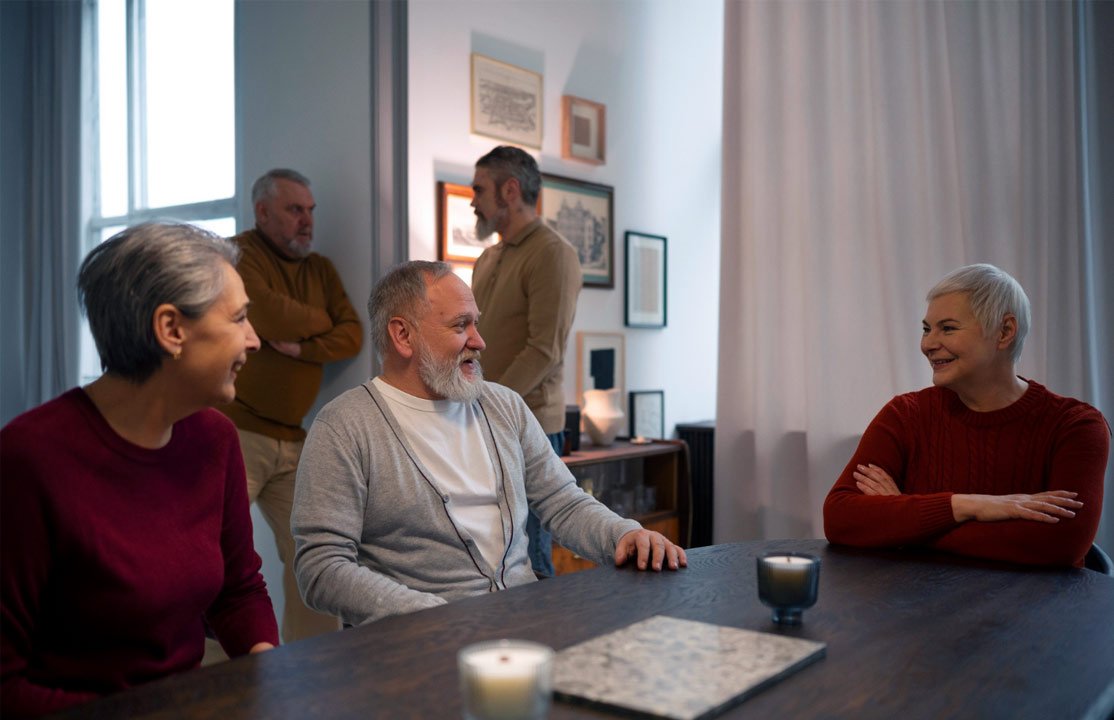
Social programmes are designed to bring people together around shared interests and experiences. These might include creative workshops, discussion groups, exercise classes, music sessions, or cultural outings. Such activities encourage friendship, laughter, and a sense of belonging.
Equally important are the relationships between residents and care teams. When staff engage with warmth, patience, and genuine interest, trust grows. This trust reinforces feelings of safety and respect.
Supporting Emotional and Mental Wellbeing
Dignity is closely connected to emotional health. Communities that value dignity create opportunities for residents to express themselves, learn new things, and stay mentally active.
Activities that stimulate the mind and encourage creativity help maintain confidence and identity. Reading groups, art projects, gardening, storytelling, and music all give residents ways to engage with the world around them.
These experiences show that growth and discovery do not stop with age. They reinforce the idea that every stage of life deserves curiosity and enrichment.
Balancing Safety With Personal Freedom
Safety is important, but it does not need to come at the cost of independence. Modern communities are finding ways to balance both.
Through personalised care planning and thoughtful use of technology, residents can move freely and participate in daily life while still receiving appropriate support. This balance allows people to maintain control over their routines and choices without feeling restricted.
Preserving freedom in this way strengthens dignity by recognising that people deserve trust and autonomy alongside protection.
Involving Families as Partners
Ageing with dignity also means involving families in meaningful ways. Open communication, shared decision-making, and opportunities to stay engaged help families feel confident and supported.
When families see that their loved ones are valued, active, and respected, it reinforces trust in the community. It also strengthens emotional bonds and ensures that care remains collaborative rather than distant or purely procedural.
Using Technology Thoughtfully
Technology is increasingly part of community living, but its role is supportive rather than central. Digital tools can help with health monitoring, communication, and access to services, but they are most effective when they enhance human connection.
When used responsibly, technology supports independence and safety without reducing personal interaction. The heart of dignified ageing still lies in compassion, understanding, and human relationships.
A New Vision for Later Life
Communities are redefining ageing with dignity by changing what later life looks and feels like. They are showing that support does not have to remove independence and that care does not have to limit personal identity.
By prioritising choice, connection, wellbeing, and respect, modern communities are creating environments where ageing is associated with confidence rather than decline. Later life becomes a continuation of growth, meaning, and contribution.
This new vision honours the full human experience. It reminds society that dignity does not fade with age. It deepens, shaped by a lifetime of stories, achievements, and relationships that deserve recognition and respect.