Connect with us

Blog

The Skills That Separate Successful Hunters from Everyone Else

Published

on

The Skills That Separate Successful Hunters from Everyone Else
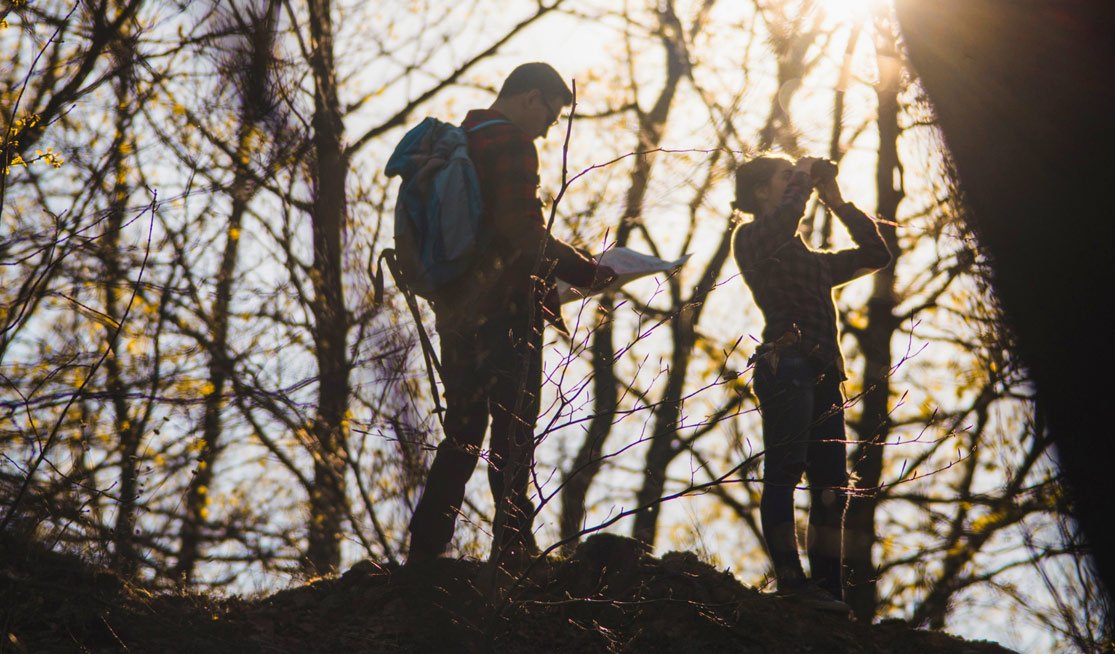
There’s always that one hunter who fills a tag every season while the rest sit on the sidelines wondering when their first filled tag will finally come. It’s not usually better access to land or equipment; it’s specific skills that apply time and time again developed over time, sometimes through errors developed in the field through a learning experience that no one ever wants to talk about.

Knowing When Not to Shoot

When it comes to differentiating between the novice and the expert hunter, the first indication is those who don’t shoot when a shot is perfectly viable. This isn’t to say that the expert is overly cautious or determined by some external standard; this means that they’ve aligned their expectations for field performance with their ability—not what they can do on the standard bench rest in good weather.

Most hunters can shoot a decent group from 100 yards at a range. However, on uneven ground, out of breath, heart pumping, adrenaline coursing through their body and potentially some wind in their face, the 200-yard shot becomes much more uncertain. Those who seem to fill tags every season have enough time in the field to know exactly where they begin to go beyond ethical shooting practicality. They’ve likely taken a few bad shots in their early careers and learned from them.

This also applies to shooters who overly rely on a standing offhand shot at 150 yards to take down a deer. While technically, this distance between the shooter and the animal is within range, any ethical hunter will wait until the deer comes closer or provides a better position to even think about shooting. They understand the difference between “I could probably hit that” and “I can make a clean shot.”

Reading Opportunity Before It Exists

Successful hunters seem to be in tune with everything before it even happens. They’re set up the minute an animal appears instead of scurrying to get into position. This comes from such a high understanding of animal behavior and field positioning that they anticipate without having to think too critically.

It’s not like they’re supernatural. They’re just attuned to other subtleties—prevailing wind patterns, game paths, and how far away feeding areas are from bedding areas. In addition, they learn where game goes through specific types of coverage: brush versus open fields. After a few seasons’ worth of practice, animals carve out paths based on these observations.

The different shows in miniscule opportunities to gain an edge. Those who recognize success understand where they should be should something pop up out of the blue; a successful hunter has their rifle already set up before they see anything because they hear it or catches a glint of sun illuminating fur as it perks up from behind a bush. They’re already checking their breathing and finding stabilization while novice hunters are catching up and finally realizing there’s something there.

Fundamental Control Under Stress

There are two very different things involved between range shooting and in-field hunting. In the range, you have all the time in the world to control your breath, settle your position, and squeeze off a perfect trigger press. In the field, you’ve got seconds, if that, while your heart races either from exertion or adrenaline and nothing is stable, secure or controllable.

Yet those who find success have practiced enough that the fundamentals become second nature. They can find stability wherever it is—even if it’s propping their rifle against a sturdy tree, using their knee for leverage, or resting against a good rock. They can use quality iron sights or scopes without deliberation based on natural light. They’ve harnessed decent trigger squeeze at practice ranges enough that it works when nothing else goes according to plan.

This comes from realistic practices—shooting with an uncomfortable hold, with wind against one’s face, after hiking four miles to get somewhere with cameras running to create time limitations—all contribute infinitely more successfully than punching perfect groups at comfortable positions 100 yards away from a bench.

Understanding Limitations Honest

There’s always that hunter who understands what they can and cannot do; who knows their effective ranges based on dynamic situations; who knows which positions are reliable for shooting and which are better suited as non-shooting positions due to excessive sway; who understands how weather impacts ability versus performance potential.

This comes through experience—hopefully including some humbling blows—and often requires assessment from situations either gone right or wrong. Maybe they’ve missed shots they should’ve made or made shots that they shouldn’t have if they’d just added up all the variables first. Either way, good hunters learn instead of making excuses.

But problems also arise because limitations are fluid based on circumstances. Who knows what someone can do on a bright sunny day with adequate rest—250 yards. In failing light conditions after an uphill approach with no rest? Maybe 100 yards works best. Successful hunters operate without regard to what they believe are stagnant ideal conditions; they continually adjust based on fluctuating variables instead.

Decisions Made Quicker but Wiser

There are innumerable decisions made at any one time during a hunt; do I take this shot? Should I let it go? Is this animal legal? Should I try moving for a better shot position? Should I stand still? The people who successful hunting every season seem to make decisions more efficiently than everyone else—or if the rest of them make decisions, it’s poor timing because they’re overtaken by their thoughts longer than they should be.

Part of this comes from knowing what’s going on in advance; if you’ve done your scouting homework and put everything together correctly before hunting season starts—and thoroughly read the regulations—you wouldn’t have to hesitate or second guess whether this animal is legal, whether you know if there’s something behind your potential shot. The mental preparation occurs before opening day.

But part also comes through intimate exposure over time; it’s easy to develop instincts when one has lived through them long enough to know what’s going to help or hurt an opportunity. You just know when something’s going well or about to get worse—there’s no textbook for it. It just comes with time spent in the field.

Combined Patience and Decisiveness

It sounds contradictory—but those who have success do both well; they’ll sit motionless for however long it takes for the right opportunity to come along, then execute killing shots when they’re faced with it. They don’t get impatient or start moving around; they don’t talk themselves into taking mediocre chances just because they’ve sat down long enough waiting.

The novice lacks this type of patience, for obvious reasons—it feels like nothing’s happening and you start questioning your positioning/ruse. Experienced hunters don’t care—they’ve learned that animals don’t move on human time; however, humans move too much and ruin everything they’ve worked for all along.

But when it’s time to go, it’s time to go; they’ve made the decision as long as they’ve taken the shot criteria into consideration while it’s there—there’s no second-guessing; there’s no freezing when it comes time. That divide equals limited opportunities at best.

Staying Physically Fit

While less sexy than other elements involved, it’s true—for those who find success are physically fit enough to get themselves into proper positions before maintaining proper holds and cautions; successful hunters are physically maintaining upper-body strength enough through shoulder stabilization while also being able to sit still long enough without fidgeting for consecutive hours.

They’re able to get themselves into appropriate places without worrying about breathing heavy; they’re able to focus their minds on holding still instead of feeling so uncomfortable that they need a break. Hunting requires quick bursts of intense movement followed by sustained periods of non-movement or minimal movement: you hike three miles straight into position and then sit for three hours without moving; you need physical practical performance maximum inclusively.

Learning Never Ends

Successful hunters treat every season like they could learn something new from it. They assess what works versus what doesn’t and based on trial-and-error strategies where things haven’t panned out in the past seasons—they’re willing to change areas/approaches when they’ve found killer spots/techniques for too many years.

This makes a world of difference because hunting patterns change. Animal habits shift due to seasons; pressure or lack thereof exists from other hunters that impact behavior; those who find long-term success are those who develop flexible mentalities instead of assuming they’ve learned everything there is throughout life.

Every season teaches something new if you’re paying attention.

Continue Reading
Сollaborator

Category

Trending