Travel
Hotels in Tokyo: Finding the Perfect Stay in a City That Never Sleeps
Published
2 days agoon
By
Engrnewswire
Midnight glows on glass towers while centuries-old shrines rest in their shadows. Not far off, bold clothing trends pulse near alleys where life moves slowly, like yesterday never left. This place hums without pause, morning blending into midnight with steady breath. Where someone rests each evening quietly steers how they meet the days ahead. Picking one spot among countless stays changes more than comfort – it shifts what gets remembered.
Tokyo runs on a transit network so smooth it feels like magic. Staying almost anywhere still puts you right in the middle of things. Shinjuku hums with neon energy, while Shibuya pulses at its own rhythm. Ginza leans quiet and refined, Asakusa keeps history close. Each place shapes what kind of room you might find there. Tall glass towers rise beside tiny pod-like spaces tucked into alleyways. Fancy suites share streets with bare-bones stays that cost next to nothing. Travelers pick their pace, then match it with a bed that fits.
Why Location Matters When Choosing Hotels in Tokyo
Picking a place to sleep often comes up fast when visiting. Though huge, getting around Tokyo feels smooth because trains link everything tightly. Still, being near the right spots means less rushing, more ease.
First-timers often land in Shinjuku without thinking twice. Packed with bright lights, late-night energy, and train lines that go everywhere, you will find places to sleep at every price point – big-name stays sit next to small quiet ones. Over in Shibuya, people move fast across the world’s busiest intersection, drawn by bold styles, new sounds, and streets that never quite settle down.
Fancy shops, quiet restaurants, and smooth hotel stays shape Ginza’s polished feel. Travelers who want calm among city noise often land there. Old temples rise between narrow lanes in Asakusa. That part hums with memory, carrying echoes of how Tokyo once was. Visitors find stillness in its worn corners.
A journey transforms when the location feels just right. Hotels in Tokyo near sights often keep travellers engaged, making days flow smoothly. What matters most? Getting around without hassle while staying close enough to join in.
Luxury Hotels: Comfort, Service, and Stunning Views
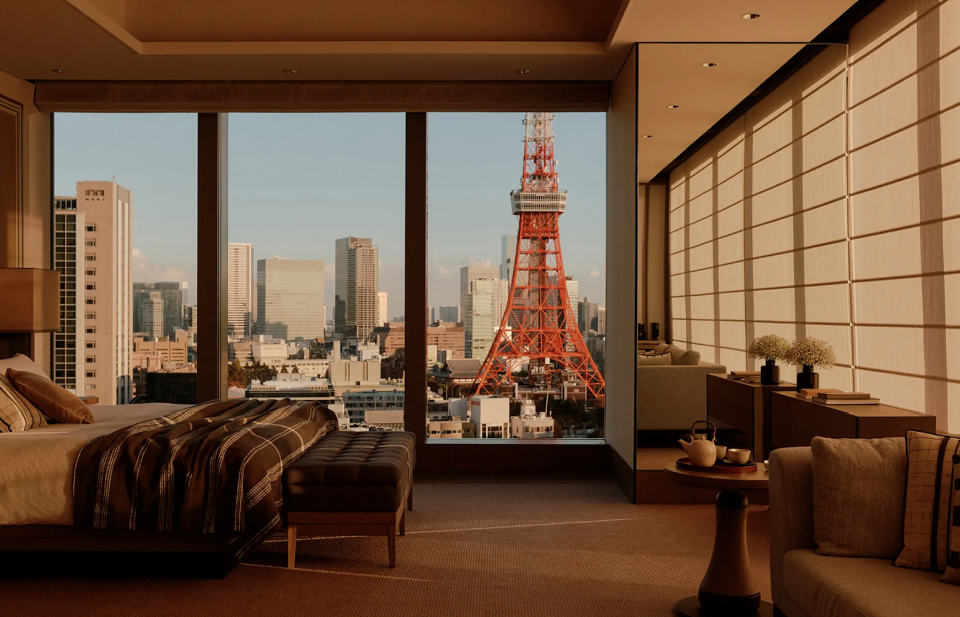
High above the streets, Tokyo’s top hotels stand out with quiet precision. Not just service that feels seamless, yet spaces built around how people actually stay. Towering buildings house them, near the clouds almost, where windows frame endless stretches of city light. When darkness comes, the glow spreads wide – endless, layered, alive. Room sizes surprise, shaped more by comfort than show. Each choice was made without noise, without fuss.
Staying here means access to top-tier features including fine dining spots, classic Japanese baths, workout areas, along with tailored guest support. A few places mix today’s architecture with local tradition, using materials such as woven straw flooring, moving partitions, and quiet green spaces.
Busy professionals find top meeting spaces inside Tokyo’s upscale hotels, also located near major work hubs. When sightseeing ends, tourists unwind in quiet comfort at the same places, far from busy sidewalks.
Mid-Range and Business Hotels: Practical and Comfortable
Some visitors do not care for luxury. Tokyo handles that well, offering solid stays without high prices. You will find business hotels almost nowhere else – they fit Japan perfectly. Small on space but big on function, they stay clean and easy to use. Most stand close to large train hubs. Exploring the city becomes simpler from these spots.
Though rooms often take up less floor area compared to Western ones, clever layouts make them feel efficient. You will usually find basic perks like complimentary internet, washing access, and light morning meals included. When traveling alone or with one other person, staying close to key spots without overspending works well here.
When it comes to places to stay, Tokyo’s business hotels often come up – Gother included – as solid picks for those after ease and value. These spots deliver rest without draining your wallet, making them a quiet favorite among visitors who care about both space and savings.
Budget Accommodation: Hostels and Capsule Hotels
It’s not the whole story when people say Tokyo costs too much. Those watching their money can spot plenty of places to stay without losing quality. Clean, fresh hostels pop up across the city, drawing solo adventurers and global guests alike. Some offer personal spaces instead of group beds, fitting varied needs quietly. Comfort doesn’t vanish just because prices stay low.
A tiny pod might be your room in one of Japan’s capsule hotels. Built first for workers needing rest, travelers now fill them too. Each unit comes with essentials tucked into tight quarters. Though cramped at first glance, comfort sneaks in through smart design. Staying here feels like stepping inside a quiet cultural habit.
Staying less means seeing more – budget spots make that easier. Gother points out how cutting lodging costs frees up cash for experiences across Tokyo.
Traditional Ryokan: A Cultural Experience
Should someone want to step into Japan’s cultural world, a stay at a ryokan might just stick in their mind. These old-style lodgings care deeply about welcome, quiet design, and balance. Floor coverings made of tatami mats show up often, along with fold-out mattresses for sleeping, while doors that glide open are part of daily life here.
Some ryokan provide shared bathing spaces, possibly filled with water from geothermal springs. Food is typically part of the booking, highlighting fresh produce tied to the time of year alongside classic dishes from Japan. Though these lodgings exist across Tokyo, spots such as Asakusa tend to have more of them.
Staying here lets visitors pause, step into customs they might otherwise miss. Though Tokyo moves quickly, these spaces offer a quiet way to live parts of Japan more deeply.
Tips for Booking the Right Hotel in Tokyo
Bargains pop up if you watch the calendar while arranging stays in Tokyo. Peak times like cherry blossoms or fall colors push costs higher, sometimes sharply. Choices shrink when demand climbs, so locking in dates ahead of time helps avoid stress later. Earlier reservations tend to open doors to lower prices and fuller availability.
Even a brief stroll matters when you’re tired, so staying near train lines helps. Recent guest comments reveal how small rooms feel, if places are tidy, whether staff respond well – details that weigh heavily amid Tokyo’s rush.
Conclusion: A City of Endless Choices
Lodging in Tokyo moves like the streets below – fast, full of choices, strange rhythms. A high-end stay with glass walls above Shibuya gives views few spots can match. Close to subway gates, compact rooms fit tight schedules without wasting space. Dorm beds under shared roofs keep costs low for those watching every yen. Sliding into a tatami-floored inn means mornings on floor cushions, eating fish with chopsticks. Each place shapes how you meet the city, not just where you sleep.
Getting around Tokyo feels smooth, no matter your neighborhood. Pick a spot that fits how much you want to spend, where you plan to go, then let your pace shape the search. A little smart prep, along with tools such as Gother, turns hotel hunting into something pleasant instead of tricky.
You may like

How to Style Your 18k Gold Plated Ring for a Radiant Wedding Look
The Social Benefits of Senior Living Communities
Hotels in Tokyo: Finding the Perfect Stay in a City That Never Sleeps
Why Pursuing a Master’s Degree in Ireland Makes Sense
When In-House Corporate Training Fails—and What to Do Next
Charles Anthony Vandross: The Quiet Brother Behind Luther’s Success
Choosing the Perfect Laptop: A Comprehensive Guide
Meet Charles Donald Fegert: Business Star and Barbara Eden’s Second Husband
Meet James Westley Welch: Raquel Welch’s First Husband and Forever Love
How Communities Are Redefining Ageing With Dignity
Revolutionizing Healthcare: The Emergence of AI-Driven Analytics
Carol Kirkwood’s Journey: Her Real Age, Husband, Career, and More
How Machine Learning and AI are Redefining the Future?
Aliza Barber: Meet Lance Barber’s Wife, Age, Life, Profile, Career and Net Worth
Evelyn Melendez: Jordan Knight’s Wife Bio, Marriage, Family, Career and Net Worth
Ilan Tobianah Biography: Family, Marriage, Lifestyle, Career and Net Worth
Body Positivity and Bodycon: Embrace Your Shape with Homecoming Dresses
King Von’s Autopsy Report: The Truth Behind the Tragic Death
Who was Alice Marrow? Everything to Know About Ice-T’s and His Mother
Meet Otelia Cox: The Supportive Wife of Tony Cox – A True Fairy Tale Romance
How to Style Your 18k Gold Plated Ring for a Radiant Wedding Look
The Social Benefits of Senior Living Communities
Hotels in Tokyo: Finding the Perfect Stay in a City That Never Sleeps

Why Pursuing a Master’s Degree in Ireland Makes Sense
When In-House Corporate Training Fails—and What to Do Next
Charles Anthony Vandross: The Quiet Brother Behind Luther’s Success
Choosing the Perfect Laptop: A Comprehensive Guide
Meet Charles Donald Fegert: Business Star and Barbara Eden’s Second Husband
Meet James Westley Welch: Raquel Welch’s First Husband and Forever Love
How Communities Are Redefining Ageing With Dignity
Category
Trending
-
Health2 years agoRevolutionizing Healthcare: The Emergence of AI-Driven Analytics
-
News5 months agoCarol Kirkwood’s Journey: Her Real Age, Husband, Career, and More
-
Technology2 years agoHow Machine Learning and AI are Redefining the Future?
-
Celebrity2 years agoAliza Barber: Meet Lance Barber’s Wife, Age, Life, Profile, Career and Net Worth