Connect with us

Blog

Green Waste, Hard Rubbish, and Everything In Between: A Complete Guide

Published

on

Green Waste, Hard Rubbish, and Everything In Between

Many households produce more types of waste in a year than they think, but not every waste type can go in every bin. Understanding the differences between green waste, hard rubbish, general waste and recyclables makes disposal cheaper, easier, and better for the planet. The issue at hand is that people aren’t quite sure what goes where, leading to bins being contaminated, collections being rejected or unnecessary trips to the tip.

What is Green Waste

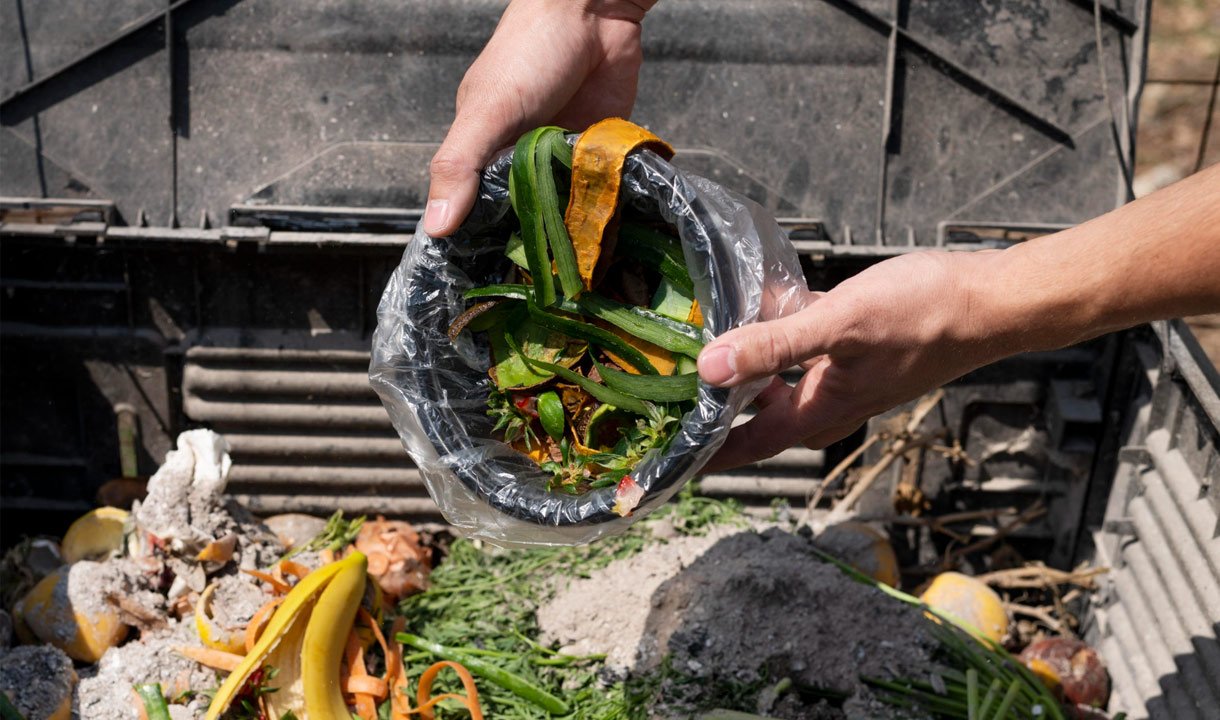
Green waste is anything that was once alive plant matter. Grass clippings, leaves, small branches, hedge clippings and garden clippings. Most councils collect green waste separately as this can become mulch/composition rather than sitting in landfill for decades.

However, not all garden waste is green waste. Treated timber, painted timber or anything with screws and nails does not go in green waste. Soil and rocks do not get picked up either, although they are garden waste. Some councils have size restrictions as well so thick branches may need to be cut down or taken to the tip separately.

The good news, however, is that green waste collection is much cheaper than general waste disposal. Many areas have larger garden bins for such materials which make sense if one has a decent sized yard. Additionally, composting at home can reduce the amount needed for professional pickup but not everyone has the time or area to create a proper composting system.

Hard Rubbish Explained

Hard rubbish refers to large household items which cannot fit into normal bins. Furniture, mattresses, appliances, carpets and electronics fall under this designation. Most councils run hard rubbish collections once or twice a year in which residents can leave designated items on the nature strip to be collected.

However, councils have become stricter about what they will or will not take. Many will not take items containing asbestos, chemicals or hazardous waste materials. Some have weight restrictions or will not pick up building materials at all. If you want to declutter your home or renovate your home properly, council hard rubbish collection is often not enough to get everything removed.

This is where private rubbish removal can help. If you were to listen to industry experts and “Visit our New Rubbish Removal Brisbane website”, you’d see how mixed loads of hard rubbish, construction waste and general junk can be taken all at once without waiting on council pickup dates.

Professional services often charge by volume rather than by item which is better suited for those who want to clean out a garage or have debris from renovations to discard. They will also sort out the materials for recycling where applicable so that proper disposal is done without having the owner guess what can go where.

General Waste vs Recyclables

General waste bins are provided for most regular household rubbish which does not fall under a recyclable or composting category. Food waste (where food waste collection does not exist), plastic bags, broken toys and contaminated packaging generally go here. The biggest thing to worry about is ensuring that recyclable materials do not get mixed in since this would waste resources and contaminate an entire truckload.

Recycling bins are straightforward until you take a closer look. Clean paper and cardboard, glass bottles and jars, aluminum cans and hard plastics with recycling symbols can all be recycled. However, soft plastics, polystyrene and contaminated materials create issues at recycling facilities. Unfortunately many do not know that pizza boxes with grease stains or coffee cups with plastic linings cannot go through general kerbside collection.

When in doubt, throw it out mentality runs amok. When questionable items get thrown into recycling bins it forces sorting facilities to either pull them out of the heap manually or reject entire loads. At the same time, many recyclable items wind up in landfills because people believe they cannot be recycled at all. Checking your local council’s specifications goes a long way for both parties.

E-Waste and Hazardous Materials

Electronic waste needs special attention because there are valuable components which can be recovered without the hazardous materials that should ever see landfill. Old computers, phones and appliances can be brought to special e-waste collection points. Many retailers will accept old electronics upon replacement purchases as well.

Hazardous materials need more attention than any regular materials. Paint, chemicals, batteries, fluorescent bulbs and motor oil cannot go into any waste bin, They mostly have designated drop off days or permanent household hazardous facilities as communities see fit. Not disposing of these items properly creates environmental disasters as well as safety risks for collection workers.

But who knows what’s hazardous? Old fire extinguishers? Expired medication? Even some cleaning products need special disposal measures. When in doubt it’s always best to contact your council or check online before tossing something questionable into a regular rubbish bin.

Building and Renovation Waste

Construction debris creates another level of waste disposal complication. Concrete, bricks, tiles, timber offcuts, plasterboard – all these things pile up quickly over renovations. General councils do not accept building materials when they come by which means a skip bin is needed or private removal.

Skip bins work for planned renovations where debris occurs over days or weeks as companies drop off a bin for you to fill at your leisure until you’re done. Then it’s picked up and assessed in terms of pricing as it depends on size of bin and how long you keep it – with different rates for general waste versus clean fill (soil or concrete).

However beware – mixing different types in one skip increases costs immensely. Mixed skips containing hard waste with general waste and recyclable elements cost more than single-material skips. Some companies charge for going over weight limits or including prohibited items so knowing what you’re throwing away makes a difference.

Making Better Disposal Choices

The best choice when it comes to waste management is prevention before waste occurs. Purchasing items with less packaging, opting for repairable products over disposable options and donating usable goods avoid creating potential waste down the line.

Continue Reading
Сollaborator

Category

Trending