Connect with us

Home

Why Flooring Selection Has Become a Critical Part of Modern Building Design

Published

on


When discussing building design, many people immediately focus on architecture, furniture, lighting, or colour schemes. However, one of the most important decisions in any construction or refurbishment project is often made beneath our feet.

Flooring has evolved far beyond being a simple surface covering. Today, it influences everything from safety and maintenance costs to sustainability, accessibility, acoustics, and overall user experience.

Architects, developers, facility managers, and interior designers increasingly view flooring as a strategic design component that contributes directly to a building’s long-term performance. Whether designing a healthcare facility, educational institution, office complex, retail environment, or public building, flooring now plays a central role in project success.


The Expanding Role of Flooring in Modern Construction

Buildings are expected to do more than ever before.

Modern environments must support:

  • Safety
  • Sustainability
  • Accessibility
  • Comfort
  • Durability
  • Operational efficiency

Flooring contributes to each of these objectives.

The right flooring system can improve movement throughout a building, reduce maintenance costs, support hygiene standards, and enhance overall functionality.

As a result, flooring specification has become an increasingly important part of the design process.


Designing for Different Building Types

Different environments place different demands on flooring materials.

A flooring solution that performs well in a residential property may not be suitable for a hospital, school, or transport facility.

Modern building design requires flooring that responds to specific usage requirements.

Healthcare Facilities

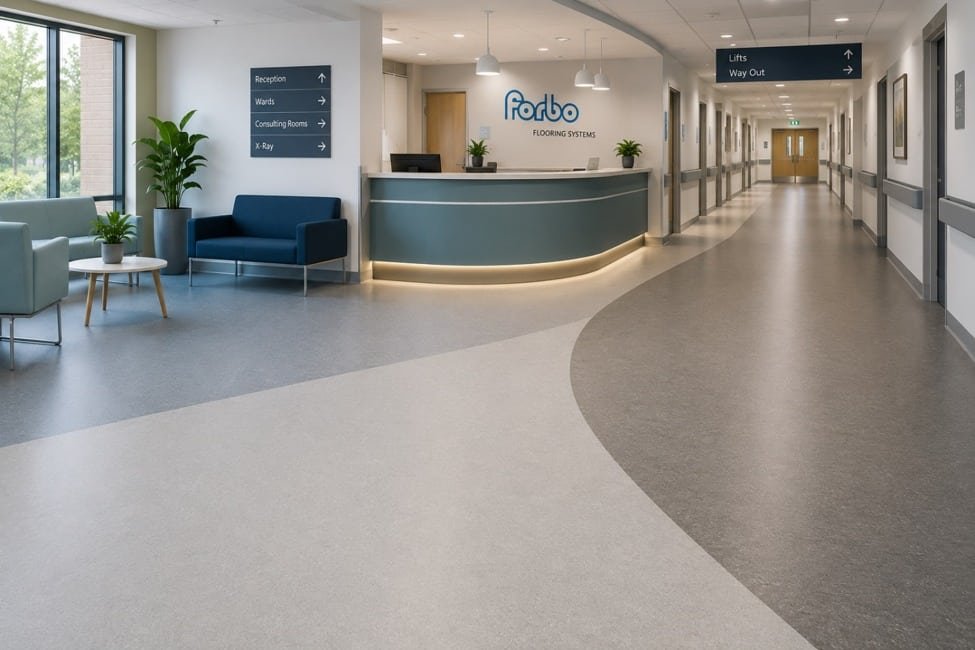
Hospitals and healthcare centres require flooring that supports infection control, hygiene, and ease of cleaning.

Flooring must withstand heavy foot traffic, medical equipment, and rigorous cleaning routines while maintaining long-term performance.

Educational Buildings

Schools, colleges, and universities require durable flooring capable of handling constant daily use.

Noise reduction and maintenance efficiency are often major considerations.

Office Environments

Workplaces increasingly focus on employee wellbeing and productivity.

Flooring contributes to comfort, acoustics, and visual appeal within collaborative working environments.

Public Spaces

Transport hubs, community buildings, and public facilities require flooring that combines safety, durability, and long service life.


Safety Is a Growing Priority

Building regulations and health and safety requirements continue to evolve.

Flooring selection now frequently considers:

  • Slip resistance
  • Accessibility compliance
  • Fire performance
  • Visual guidance systems
  • Safe pedestrian movement

Poor flooring choices can increase maintenance costs and create unnecessary risks for building occupants.

Modern flooring solutions are often engineered specifically to help minimise these challenges.


Managing Long-Term Maintenance Costs

One of the most significant expenses associated with commercial buildings is ongoing maintenance.

The flooring selected today can influence operational costs for many years.

Facility managers often assess flooring based on:

  • Cleaning requirements
  • Repair frequency
  • Product lifespan
  • Replacement costs
  • Downtime during maintenance

Durable flooring systems help reduce disruption while improving long-term value.


Flooring and User Experience

People interact with flooring constantly, even if they rarely think about it.

The feel, appearance, and performance of flooring influence how users experience a building.

Well-designed flooring can contribute to:

  • Improved comfort
  • Better acoustics
  • Easier navigation
  • Greater accessibility
  • Enhanced visual appeal

In sectors such as hospitality and healthcare, these factors can significantly affect customer and visitor satisfaction.


Why Specialist Flooring Manufacturers Matter

As flooring requirements become more complex, manufacturers continue to develop products tailored to specific environments.

Among the recognised names in the industry, Forbo has established a strong reputation for specialist flooring solutions used across healthcare, education, transport, commercial, and public-sector environments. Its product portfolio demonstrates how flooring can be engineered to meet highly specific functional and performance requirements.

The growth of specialist flooring products reflects the increasing importance of flooring within modern building design.


Sustainability Continues to Influence Flooring Choices

Environmental responsibility is now a major factor in construction projects.

Design teams frequently evaluate flooring products based on:

  • Recycled content
  • Product longevity
  • Responsible sourcing
  • Carbon footprint
  • End-of-life recyclability

Long-lasting flooring contributes to sustainability goals by reducing replacement cycles and minimising waste.

As environmental targets become more ambitious, sustainable flooring solutions will continue to play a larger role in project specifications.


Acoustics and Building Performance

Modern buildings often feature open layouts and large communal spaces.

Without proper acoustic management, these environments can become noisy and uncomfortable.

Flooring can help reduce sound transmission and improve acoustic performance throughout a building.

This is particularly valuable in:

  • Offices
  • Schools
  • Libraries
  • Healthcare facilities
  • Hospitality environments

Acoustic performance is increasingly recognised as an important contributor to occupant wellbeing.


Finding Flooring Solutions That Match Project Requirements

Every building project has unique requirements.

Selecting suitable flooring involves evaluating multiple factors, including:

  • Building usage
  • Foot traffic levels
  • Safety requirements
  • Budget considerations
  • Design objectives
  • Maintenance expectations

Professionals often rely on specialist suppliers to compare products and identify suitable options. Companies such as Flooring Hut provide access to a wide range of flooring manufacturers and product categories, helping architects, contractors, and property owners make informed decisions tailored to their projects’ specific needs.


Flooring Is No Longer an Afterthought

Flooring has become one of the most important components of modern building design.

Its influence extends far beyond aesthetics, affecting safety, sustainability, comfort, maintenance costs, accessibility, and overall building performance.

As construction standards continue to evolve, flooring will remain a critical consideration for architects, designers, and property owners seeking to create spaces that are functional, efficient, and future-ready.

The most successful projects recognise that flooring is not simply something people walk on—it is a key contributor to how buildings perform and how people experience them every day.


Continue Reading
Сollaborator

Category

Trending