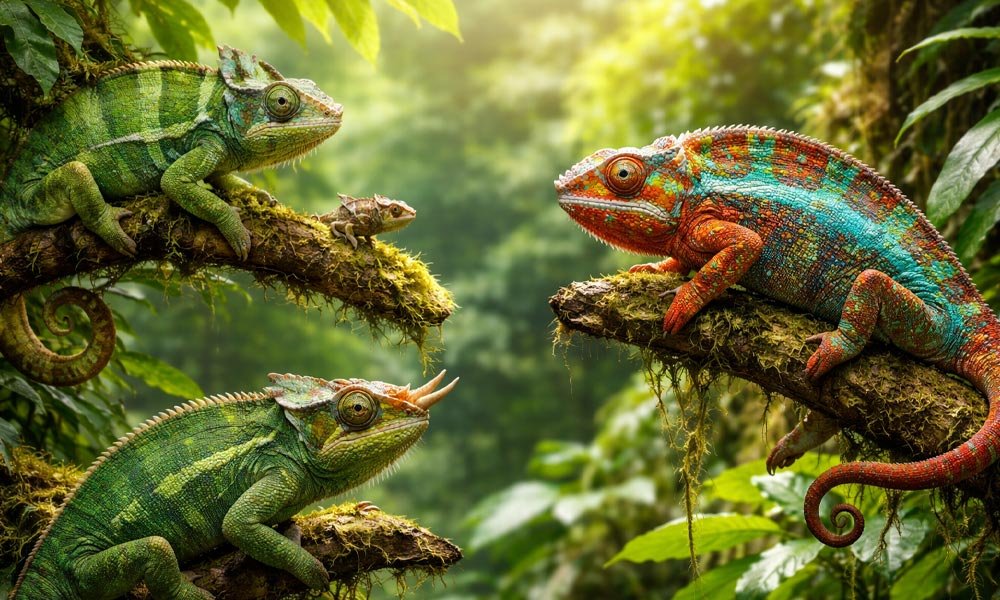
Have you ever seen a lizard change color right in front of your eyes? That’s what makes chameleónovité so special! These amazing reptiles are known for their bright colors, funny eyes, and long tongues. But there’s a lot more to them than just changing colors.
In this article, we’ll take a fun and simple look inside the world of chameleónovité. You’ll learn what the word means, where they live, what they eat, how they survive, and why people love them so much. Whether you’re a student, a pet lover, or just someone who enjoys learning cool things about animals, this article is made just for you!
Let’s jump into the world of these clever creatures and discover why chameleónovité are one of nature’s most amazing animals.
What Does Chameleónovité Mean?
The word chameleónovité comes from a group of reptiles called Chamaeleonidae. That’s just the science name, but in simple words, it means chameleons. These are the lizards that can change color and have eyes that move in different directions.
Chameleónovité are known for being quiet, slow-moving, and very smart when it comes to hiding or catching food. People love to learn about them because they look different from any other reptile. Some are bright green, some are red, and others can change into beautiful rainbow colors.
This word is now used by many people around the world—scientists, pet owners, and nature lovers—to talk about all kinds of chameleons, big and small.
Where Chameleónovité Come From
Most chameleónovité live in Madagascar, a big island near Africa. In fact, more than half of all chameleon types come from there. Others live in Africa, some in parts of Asia, and even a few in Europe.
They don’t like cold places. Chameleons prefer warm spots with trees, bushes, and lots of bugs to eat. They’re really good at climbing, so you’ll often find them up in trees or on tall plants.
Some even live in dry deserts! That shows how well chameleónovité can adjust to different places. Each type has its own favorite spot, and their bodies are built to match the place they live.
Chameleon Diversity Around the World
Did you know there are over 200 types of chameleónovité? That’s a lot of different shapes, sizes, and colors! Each one is special in its own way.
Here are a few examples:
-
Veiled Chameleon – This one wears a “helmet” on its head and comes from Yemen and Saudi Arabia.
-
Panther Chameleon – It’s known for bright colors like red, green, and blue. You’ll find it in Madagascar.
-
Jackson’s Chameleon – The males have three horns like a tiny dinosaur! They live in East Africa.
-
Dwarf Chameleons – These are small, shy, and sometimes hard to spot, but still very cool.
This huge variety shows how clever nature is. Chameleónovité have changed over time to live happily in all kinds of places.
Amazing Features of Chameleónovité
Chameleónovité are like real-life superheroes when it comes to their bodies. Here are some cool things they can do:
-
Their eyes can move in different directions at the same time. One eye can look forward while the other looks behind!
-
Their tongue is super long and sticky. It can shoot out really fast to grab bugs—even from far away.
-
They have strong toes that grab onto branches, and their tails help them balance as they climb.
All these things help them live safely in the wild. They can stay still and watch for danger. And when food comes close—zap!—they catch it in one quick move.
How Chameleónovité Change Colors
Everyone knows that chameleons can change color. But how do they do it?
Their skin has special color cells called chromatophores and iridophores. These cells move around and change how light reflects off their skin. That’s what creates new colors.
They don’t change color just to hide. Chameleónovité also change colors when they’re:
For example, a male chameleon might turn bright to show off to a female or dark if he’s feeling stressed. It’s like they have their own mood ring on their skin!
Why Color Change Matters
Changing color is not just for fun—it helps chameleónovité survive.
Let’s say it’s getting cold. A chameleon might turn darker to absorb more heat from the sun. Or if a bigger animal comes by, it might try to blend into the leaves to stay safe.
They also use color to send messages. One might turn bright when it sees another chameleon and wants to say, “This is my space!” That way, they don’t have to fight—they just show how they feel.
So, while it looks magical, it’s really a smart way to stay safe and talk without using words.
What Chameleónovité Eat
Chameleónovité love to eat bugs! Their favorite meals include:
-
Crickets
-
Grasshoppers
-
Flies
-
Moths
Some big ones even eat tiny birds or other lizards, but most just enjoy crunchy insects.
They are quiet hunters. They don’t chase their food. Instead, they sit very still, watch with their sharp eyes, and then shoot out their long tongue like a spring to catch the bug. It’s fast, fun to watch, and super smart.
How Chameleónovité Live in the Wild
In the wild, chameleónovité enjoy living a calm and quiet life. They don’t travel in groups. Most of the time, they stay alone and only meet others when it’s time to mate or protect their space.
They like to sit still in trees or on bushes. When they move, they do it very slowly. They often sway back and forth like a leaf blowing in the wind. This helps them stay hidden from birds and other animals that might want to eat them.
Because of their special eyes and long tongue, they don’t need to run around to find food. They wait, watch, and strike at just the right moment. It’s a smart and quiet way to live in nature.
Chameleónovité as Pets
Many people today want to keep chameleónovité as pets. It’s easy to see why—they look amazing, move in funny ways, and are fun to watch. But they’re not like cats or dogs. They need special care and don’t enjoy being touched too much.
Let’s look at some pros and cons:
Pros:
-
They are quiet and clean.
-
Their color changes are fun to watch.
-
They don’t need much space to walk or run.
Cons:
-
They are shy and don’t like a lot of handling.
-
They need perfect conditions to stay healthy.
-
It can be hard for beginners to care for them properly.
So, if you want a pet that’s fun to watch—but not one to cuddle—chameleónovité might be right for you.
How to Care for a Pet Chameleónovité
Caring for chameleónovité takes effort, but it can be very rewarding. You need to create a space that feels like their natural home.
First, get a tall enclosure with lots of branches and real or fake plants. Chameleons love to climb and need places to hide. A wide cage isn’t enough—it must be tall.
Second, use the right UV light and heating. They need both warmth and light to stay active and healthy. Without UV light, they can get sick.
Lastly, feed them a good mix of insects, like crickets and worms. Don’t forget to dust the food with vitamins and calcium to help their bones and skin.
When they are happy and healthy, watching a chameleónovité can be truly amazing.
Why Chameleónovité Need Protection
In the wild, chameleónovité face many problems. Their homes in the forests are being cut down for farms or buildings. This makes it hard for them to find food, shelter, or mates.
Another big problem is the illegal pet trade. Some people take chameleons from the wild and sell them. This can harm their natural populations. Many chameleónovité are now endangered, which means there are only a few left in the wild.
We need to protect their homes and stop buying wild-caught animals. If we don’t, some types of chameleónovité might disappear forever.
The Cultural Side of Chameleónovité
Did you know chameleónovité also show up in stories, art, and movies?
In some African stories, chameleons are seen as wise messengers or symbols of change. Their slow walk and color-shifting skin have made people think they are magical.
In today’s world, people use chameleons as symbols of adaptability. For example, in fashion ads or cartoons, a chameleon might be used to show how someone can “blend in” or “change style.”
Even in movies, you might see a chameleon character who is clever, calm, and able to change depending on the situation. This shows how much people admire these creatures—not just for how they look, but for what they represent.
Conclusion
Chameleónovité are much more than just colorful reptiles. They are smart, sensitive, and full of surprises. From their fast tongues to their moving eyes, every part of their body is designed to help them survive in the wild.
They play a big part in nature—keeping insect numbers in check and showing when the environment is healthy or not. As pets, they can bring joy if cared for the right way. And in stories and art, they remind us that it’s okay to change, grow, and adapt.
In 2025 and beyond, learning about chameleónovité helps us appreciate the beauty of nature and the importance of protecting it. These quiet, careful climbers show us that even small animals can have a big impact—and a lot to teach.
FAQs
What does the word “chameleónovité” mean?
Chameleónovité refers to the family of reptiles known as chameleons. The word is often used to describe all types of chameleons, which belong to the scientific group called Chamaeleonidae. These reptiles are famous for their color-changing skin, special eyes, and long tongues.
Where do most chameleónovité live in the wild?
Most chameleónovité are found in Madagascar, a large island off the coast of Africa. Others live in different parts of Africa, Asia, and even small areas in Europe and the Middle East. They usually prefer warm places with lots of trees, bushes, and insects.
How many species of chameleónovité are there?
There are over 200 known species of chameleónovité. Some of the most popular types include the Veiled Chameleon, Panther Chameleon, Jackson’s Chameleon, and Dwarf Chameleons. Each species has its own look, size, and behavior.
Why do chameleónovité change color?
Chameleónovité change color for several reasons:
It’s not just for hiding—it’s also their way of talking without using sounds.
How do chameleónovité catch their food?
They use their long, sticky tongues to catch insects. When they spot prey, they stay still and then shoot out their tongue in a flash. The tongue can stretch up to twice their body length and grabs the bug like a sticky spring.
Can you keep a chameleónovité as a pet?
Yes, but it’s not for beginners. Chameleónovité need special care:
-
A tall enclosure with branches and plants
-
The right humidity and temperature
-
UV lighting
-
A varied diet with insect supplements
They are beautiful to watch but don’t like too much handling.
Are chameleónovité social animals?
No, chameleónovité are solitary. They prefer to live alone and only meet others during mating or territory fights. Putting two adult chameleons in the same cage can stress them out or even cause fights.
Are chameleónovité endangered?
Yes, some species are endangered or at risk. The biggest threats are:
That’s why it’s important to protect their natural homes and never buy wild-caught chameleons.
What do chameleónovité eat in the wild?
In the wild, they eat a variety of insects like:
What do chameleónovité symbolize in culture?
In many cultures, chameleónovité stand for:
Change and flexibility (because of their color-changing skin)
Wisdom and patience (because they move slowly and think before acting)
They appear in stories, fashion, movies, and art as signs of adaptation and cleverness.
You may also read: What Is Plftiger? Discover the Future of Safe, Smart, and Fast Tech