Blog
Basqueserpartists: How Art and Identity Come Together in the Basque Country
Published
5 days agoon
By
Alexander
Have you ever seen a painting or sculpture that made you feel proud of where you come from? That’s exactly what the basqueserpartists do. They’re more than just artists — they’re protectors of culture.
In the Basque Country, a beautiful region between Spain and France, there are people using creativity to keep their traditions alive. These artists are not just making art to decorate walls. They’re using colors, shapes, stories, and sounds to protect their identity. In this article, we’ll explore who these basqueserpartists are, where they come from, and how they’re using art to keep their culture strong.
Who Are the Basqueserpartists?
Basqueserpartists are artists who belong to the Basque community. They paint, write, sculpt, film, and perform to protect the unique culture of their homeland.
What makes them special is not just their talent — it’s their mission. They use art to remind people who they are, where they come from, and why it matters. For them, creativity is not just for fun. It’s a way to fight against forgetting. It’s a way to say, “We are still here, and our culture still matters.”
Where Is the Basque Country?
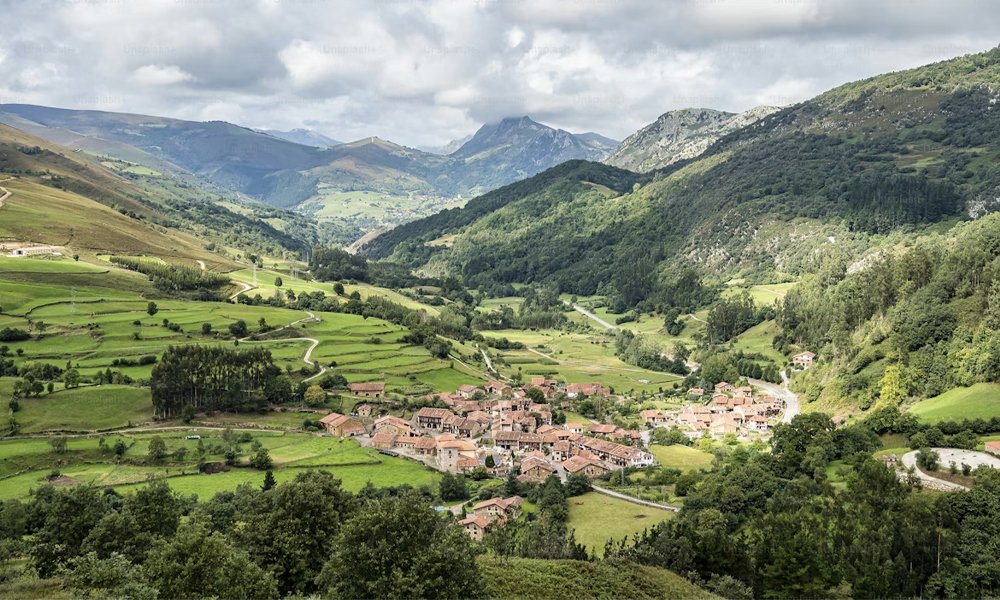
The Basque Country is a beautiful land that sits between northern Spain and southwestern France. It has green hills, strong mountains, and wild coastlines. But what makes this place truly unique is its people.
The Basque people have their own language called Euskara. This language is not like Spanish or French. In fact, it’s not like any other language in Europe. It’s one of the oldest languages still spoken today, and nobody knows exactly where it came from.
The Basque people also have their own traditions, food, dances, and festivals. They feel proud of their identity. That’s why the basqueserpartists work so hard to keep it safe.
How Basqueserpartists Started
The story of the basqueserpartists began long ago, especially in the early 1900s. At that time, big governments tried to make everyone the same. They wanted one flag, one language, and one culture. Many small communities, like the Basques, were told to stop speaking their language or practicing their traditions.
During the rule of Spanish dictator Francisco Franco (1939–1975), things got worse. People were banned from speaking Euskara in public, and many Basque traditions were hidden or lost. Some were even punished for using their own language.
But the Basque spirit didn’t break. Instead, artists stood up. They used sculptures, paintings, and poems to keep the culture alive. Even when words were not allowed, their art told stories that kept the Basque soul strong.
What Basqueserpartists Believe In
At the heart of the basqueserpartists movement is love for culture. They believe that traditions, language, and identity must be passed down to future generations.
They also believe in local control. They want their communities to decide what’s best for them — not far-away governments. That’s why basqueserpartists support regional autonomy, which means having more power to make local decisions.
They care deeply about their environment too. They support ways of living that protect nature, respect old ways, and grow local jobs — without losing what makes their culture special.
Art as a Way to Protect Culture
For basqueserpartists, art is like a shield. It protects things that are easy to lose — like stories, songs, and the feeling of home.
They paint village scenes, mountain landscapes, and family celebrations. These are not just nice pictures — they are memories frozen in time. Every artwork says, “This is who we are. Don’t forget us.”
They also create music, films, plays, and books in Euskara. Even graffiti artists use walls to write Basque poems or symbols. Their goal is simple: keep the culture alive and visible, every day.
Famous Basqueserpartists You Should Know
Many talented people have helped shape the basqueserpartist movement. Let’s look at a few:
-
Eduardo Chillida – A sculptor known for big metal and stone pieces. His work connects with the land and sea of the Basque Country.
-
Jorge Oteiza – Another sculptor who mixed art and deep thinking. He wanted art to speak for the Basque spirit.
-
Bernardo Atxaga – A writer who told powerful stories in Euskara and helped people around the world understand Basque life.
-
Itziar Okariz – A modern artist who uses performance and sound to explore identity.
-
Cristina Iglesias – Creates large and dreamy installations that often connect nature, space, and culture.
These basqueserpartists helped turn quiet pride into powerful, creative action.
The Role of Language in Basqueserpartist Work
Language is the heartbeat of Basque culture. That’s why Euskara is at the center of everything basqueserpartists do.
They use Euskara in their books, plays, songs, and even video games. Writers like Bernardo Atxaga showed that a “small” language can tell big stories. Musicians write lyrics in Euskara that connect young people with old traditions.
There’s also something called bertsolaritza — where people make up poetry on the spot, live on stage, all in Euskara. It’s fun, powerful, and full of heart.
Every time someone creates in this ancient language, they’re not just making art — they’re keeping history alive.
Schools and Young Basqueserpartists
The future of Basque culture depends on young people. That’s why basqueserpartists focus so much on education. They know that children who learn about their roots grow up proud and strong.
In many Basque schools, kids are taught Euskara, Basque history, and local traditions. They don’t just learn from books — they also sing songs, draw folk symbols, and take part in festivals. This makes learning fun and meaningful.
These programs help raise the next generation of basqueserpartists. Young painters, musicians, and writers are already creating beautiful work. With strong support from families and teachers, they’re ready to carry the culture forward.
Challenges Facing Basqueserpartists Today
Even though the movement is strong, basqueserpartists still face big challenges. One issue is the rise of global pop culture. Many young people now prefer international music, movies, and trends. This can slowly push local culture aside.
Tourism is another tricky issue. Visitors love Basque festivals and art, but sometimes, traditions start changing just to entertain tourists. When this happens, culture becomes a show instead of something real.
Also, funding can be a problem. Not all artists can find support or money to keep creating. And sometimes, people argue over what is truly “Basque.” Is digital art okay? Can modern styles still carry tradition? These are big questions the movement must answer.
How Basqueserpartists Use Technology Today
In the past, basqueserpartists used stone, paint, and poetry. Today, they also use screens, smartphones, and apps. Technology has opened new doors for the movement.
Artists now share their work on Instagram, YouTube, and TikTok. They make short films, online comics, and digital posters using Basque words and themes. Young creators are mixing tradition with trends in cool and creative ways.
There are also online archives and websites that keep old songs, stories, and images safe. Anyone in the world can now learn about Basque culture with just a few clicks. In this way, basqueserpartists are not only saving their past — they’re building a digital future.
Basqueserpartists in Politics and Local Life
The work of basqueserpartists isn’t just about art and schools. It’s also about how communities are run. Many artists take part in local councils or help shape programs that protect culture.
They speak up when buildings or land are at risk. They help make sure public spaces include Basque names, signs, and stories. They support laws that protect language and local businesses.
Because they care so deeply about their home, basqueserpartists often become community leaders. They help bring people together — not just with words, but with paint, music, and tradition.
What the Future Looks Like for Basqueserpartists
The future of the basqueserpartists movement looks hopeful. Young artists are stepping up with fresh ideas. They’re mixing old and new in ways that keep the culture alive and exciting.
There are still challenges — like changing politics, money issues, and cultural shifts. But the heart of the movement is strong. People still care. They still create. They still remember.
As long as there are artists who believe in the power of identity, and communities who support them, the Basque story will continue. Basqueserpartists are the ones keeping that story alive — one song, one picture, one poem at a time.
Conclusion
The journey of the basqueserpartists is inspiring. They are more than artists — they are guardians of memory, protectors of language, and builders of a future rooted in pride.
Through hard times and hopeful times, they’ve proven that art can do more than decorate. It can defend a people’s soul. And as long as they keep creating, the Basque culture will not fade — it will shine brighter than ever.
You may also read: 5StarsStocks.com AI Explained: A Simple Guide to Smart Investing
You may like

APK Signature Mismatch: How to Re-sign Apps Correctly Without Losing Users (A Practical Guide for Publishers)
How to Style Your 18k Gold Plated Ring for a Radiant Wedding Look
The Social Benefits of Senior Living Communities
Hotels in Tokyo: Finding the Perfect Stay in a City That Never Sleeps
Why Pursuing a Master’s Degree in Ireland Makes Sense
When In-House Corporate Training Fails—and What to Do Next
Charles Anthony Vandross: The Quiet Brother Behind Luther’s Success
Choosing the Perfect Laptop: A Comprehensive Guide
Meet Charles Donald Fegert: Business Star and Barbara Eden’s Second Husband
Meet James Westley Welch: Raquel Welch’s First Husband and Forever Love
Revolutionizing Healthcare: The Emergence of AI-Driven Analytics
Carol Kirkwood’s Journey: Her Real Age, Husband, Career, and More
How Machine Learning and AI are Redefining the Future?
Aliza Barber: Meet Lance Barber’s Wife, Age, Life, Profile, Career and Net Worth
Evelyn Melendez: Jordan Knight’s Wife Bio, Marriage, Family, Career and Net Worth
Ilan Tobianah Biography: Family, Marriage, Lifestyle, Career and Net Worth
Body Positivity and Bodycon: Embrace Your Shape with Homecoming Dresses
King Von’s Autopsy Report: The Truth Behind the Tragic Death
Who was Alice Marrow? Everything to Know About Ice-T’s and His Mother
Meet Otelia Cox: The Supportive Wife of Tony Cox – A True Fairy Tale Romance
APK Signature Mismatch: How to Re-sign Apps Correctly Without Losing Users (A Practical Guide for Publishers)
How to Style Your 18k Gold Plated Ring for a Radiant Wedding Look
The Social Benefits of Senior Living Communities
Hotels in Tokyo: Finding the Perfect Stay in a City That Never Sleeps
Why Pursuing a Master’s Degree in Ireland Makes Sense
When In-House Corporate Training Fails—and What to Do Next
Charles Anthony Vandross: The Quiet Brother Behind Luther’s Success
Choosing the Perfect Laptop: A Comprehensive Guide
Meet Charles Donald Fegert: Business Star and Barbara Eden’s Second Husband
Meet James Westley Welch: Raquel Welch’s First Husband and Forever Love
Category
Trending
-
Health2 years agoRevolutionizing Healthcare: The Emergence of AI-Driven Analytics
-
News5 months agoCarol Kirkwood’s Journey: Her Real Age, Husband, Career, and More
-
Technology2 years agoHow Machine Learning and AI are Redefining the Future?
-
Celebrity2 years agoAliza Barber: Meet Lance Barber’s Wife, Age, Life, Profile, Career and Net Worth