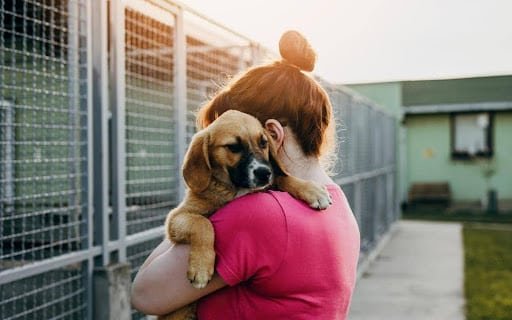
Bringing a dog into your life is one of the most rewarding decisions you can make. Dogs offer companionship, loyalty, emotional support, and countless moments of joy. Yet before the walks, the games, and the quiet evenings shared with a faithful companion, there is an important choice to make: should you buy or adopt? In Belfast, as in many other cities, more people are beginning to explore adoption as a meaningful alternative to purchasing a puppy. What many discover along the way is that adoption offers benefits that reach far beyond the individual dog they welcome into their home.
Choosing adoption is not simply about acquiring a pet. It is about giving a second chance to an animal that may have experienced hardship, uncertainty, or abandonment. It is also about supporting the work of rescue organizations dedicated to improving animal welfare and reducing the number of homeless dogs. Every adoption creates a ripple effect that extends into shelters, communities, and the wider animal welfare landscape.
When people decide to adopt a dog in Belfast, they already understand their own circumstances better than anyone else. They know the size of their home, how much time they can dedicate to exercise, and the type of personality that would fit comfortably into their daily routine. Responsible shelters recognize this and work closely with adopters to help them find a companion who matches their lifestyle. This careful process transforms adoption into something much deeper than a transaction. It becomes the beginning of a relationship built on thoughtful decisions and long-term commitment.
Adoption saves more than one life
The most immediate impact of adoption is obvious: a dog leaves the shelter and gains a permanent home. Yet the story does not end there. Every adoption creates space and resources that can be used to help another animal in need.
Animal shelters often operate under significant pressure. New dogs arrive regularly, many of whom require medical care, rehabilitation, socialization, or simply a safe place to recover from difficult circumstances. When one dog finds a loving home, shelter staff can redirect their attention and resources toward another dog waiting for help.
This chain reaction means that a single adoption can influence multiple lives. The dog who is adopted gains security, affection, and stability. The newly available shelter space allows another vulnerable animal to receive care. Volunteers and staff can focus on additional rescue efforts. The impact continues expanding outward in ways many adopters never initially consider.
For rescue organizations, successful adoptions are not just happy endings. They are essential parts of a larger mission to reduce homelessness among animals. Every placement helps shelters continue their work and maintain the capacity needed to respond to future emergencies.
When viewed from this broader perspective, adoption becomes more than a personal decision. It becomes an act of participation in a system dedicated to giving animals second chances. The individual dog may be the face of the experience, but the benefits extend throughout the rescue community. This is one reason adoption carries such significance. It allows ordinary families to contribute directly to meaningful animal welfare outcomes while gaining a loyal companion of their own.
Matching personality with lifestyle creates lasting success
One of the most common misconceptions about adoption is that people simply choose a dog based on appearance and take him home. Responsible shelters know that successful adoptions require a much more thoughtful approach.
When someone wants to adopt a dog in Belfast, they already possess valuable information about their own circumstances. They know whether they live in a spacious house or a small apartment. They understand their work schedule, activity level, and family dynamics. These details play an important role in determining which dog may be the best fit.
A highly energetic dog may thrive with an active owner who enjoys long walks, hiking, or outdoor adventures. A quieter dog might be better suited to a calmer household. Families with young children may have different considerations than retirees seeking companionship. Every situation is unique.
Shelters invest considerable effort in understanding the dogs under their care. They observe behavior, monitor interactions, assess temperament, and document progress during rehabilitation. This knowledge helps staff guide adopters toward suitable matches.
The goal is not merely to complete an adoption but to create a relationship that lasts. When dogs and owners are compatible, the likelihood of long-term success increases significantly. This reduces the risk of future surrender and helps ensure that the dog never experiences abandonment again.
Matching based on personality and lifestyle rather than on impulse benefits everyone involved. The dog enters an environment where his needs can be met, while the adopter gains a companion whose traits align with daily life. These thoughtful decisions form the foundation for strong, lasting bonds.
Understanding a rescue dog’s journey builds realistic expectations
Every rescue dog arrives with a unique history. Some have been surrendered by owners who could no longer care for them. Others are found wandering as strays. In certain cases, very little information is available about their lives before entering the shelter.
This uncertainty is part of what makes adoption both meaningful and complex. Responsible shelters are transparent about what they know and what remains unknown. They can provide detailed information about a dog’s experience since arriving at the shelter, including medical treatment, rehabilitation efforts, behavioral observations, and progress made over time.
When adopters ask questions, shelter staff encourage open discussions. They explain the dog’s needs, strengths, challenges, and suitability for family life. This information helps adopters make informed decisions and prepares them for the transition ahead.
What shelters cannot always provide is a complete history of the dog’s life before rescue. Some experiences may remain unknown forever. However, what matters most is understanding the dog standing in front of you today and recognizing his potential for the future.
Many rescue dogs display remarkable resilience. Animals that have experienced neglect often learn to trust again. Dogs who arrived frightened gradually become affectionate companions. Those who lacked stability discover comfort and routine within their new homes.
Adoption involves accepting both the known and the unknown. It requires patience, empathy, and a willingness to support a dog as he adjusts. In return, adopters often develop particularly meaningful relationships with their pets because they witness firsthand the transformation that occurs when an animal finally feels safe.
Rehabilitation gives dogs a second chance to thrive
One aspect of adoption that often goes unnoticed is the extensive work shelters perform before a dog is ready for a new home. Rescue organizations do far more than provide temporary accommodation. They invest time, expertise, and resources into helping dogs recover physically and emotionally.
Some dogs arrive with medical issues that require treatment. Others need behavioral support after experiencing trauma or prolonged instability. Rehabilitation may involve veterinary care, socialization, training, confidence-building exercises, and gradual exposure to positive experiences.
This process may take weeks or months, depending on each dog’s needs. Shelter staff monitor progress carefully, documenting improvements and identifying areas that still require attention. Every step is designed to prepare the dog for life in a family environment.
By the time many rescue dogs become available for adoption, they have already undergone a significant transformation. The nervous dog who once avoided human contact may now enjoy affection. The undernourished stray may have regained health and energy. The fearful animal may have developed enough confidence to begin trusting new people.
These efforts play a critical role in successful adoptions. Rehabilitation helps dogs develop the skills needed to adapt to home life and increases the likelihood of positive outcomes after placement.
For adopters, understanding this process adds another layer of appreciation. They are not simply adopting a dog. They are continuing a journey that began long before their first meeting and supporting the next chapter of that dog’s recovery and growth.
Adoption strengthens communities as well as families
The impact of adoption extends beyond individual households. Communities benefit when more people choose adoption over purchasing dogs from commercial sources.
Animal shelters rely on community engagement to fulfill their mission. Every adoption demonstrates support for responsible rescue practices and encourages others to consider similar choices. Over time, this helps build greater awareness of animal welfare issues and promotes more compassionate attitudes toward homeless animals.
Adoption also helps reduce the demand for irresponsible breeding practices. While many ethical breeders exist, animal welfare organizations remain concerned about situations where profit takes priority over animal well-being. Choosing adoption helps shift attention toward giving existing dogs homes rather than increasing the number of animals needing placement.
Communities with strong adoption cultures often experience broader benefits as well. Residents become more aware of responsible pet ownership, the importance of sterilization, and the challenges homeless animals face. These conversations help create environments where animal welfare receives greater consideration.
Families who adopt frequently become advocates for rescue organizations, sharing their experiences and encouraging others to explore adoption. Their stories inspire additional support, volunteer involvement, and community participation.
This collective effort strengthens the network of people working to improve outcomes for animals. Adoption becomes part of a larger movement dedicated to creating a more compassionate and responsible society.
The reward goes far beyond companionship
Most people begin the adoption process because they want a dog. They are looking for companionship, affection, and the unique bond that develops between humans and animals. Those rewards are certainly part of the experience, but many adopters discover that adoption offers something even more meaningful.
Watching a rescue dog settle into a home can be deeply moving. Small milestones often carry significant emotional weight. The first time a nervous dog relaxes completely. The moment a fearful dog begins seeking affection. The sight of a dog sleeping peacefully after experiencing uncertainty for so long.
These experiences remind adopters that they have not simply acquired a pet. They have changed the course of a life. Their decision has provided safety, consistency, and a sense of belonging to an animal who may have lacked all three.
Shelters understand the importance of these relationships, which is why they work so hard to ensure good matches. Whenever someone adopts a dog in Belfast through a responsible rescue organization, the focus remains on finding the right companion for both the person and the dog. The objective is not speed but compatibility, ensuring that the risk of future abandonment is reduced to zero.
Adopters mean well. They are looking for friendship, loyalty, and connection. Shelters share those goals, but they also recognize their responsibility to the dogs in their care. By asking questions, providing honest information, and carefully assessing each situation, they help create successful partnerships that stand the test of time.
The real impact of choosing adoption over buying a dog in Belfast reaches far beyond a single household. It changes lives, strengthens communities, supports animal welfare efforts, and gives deserving dogs the opportunity to experience what every animal deserves: a safe home, a loving family, and the chance to truly belong.