Connect with us

Health

Affordable Dental Implants in Hungary: Complete Guide 2026

Published

on

Dental

Restoring your smile is one of the most rewarding investments you can make for both health and confidence. Among the various dental solutions available, dental implants in Hungary have grown tremendously in popularity. They combine long-term durability, a natural look, and the ability to chew and speak comfortably. Hungary is quickly becoming Europe’s top destination for dental tourism, offering high-quality treatment at a fraction of the cost of the UK or Western Europe. This comprehensive guide explores everything you need to know about getting dental implants in Hungary, from choosing the right clinic to understanding costs, procedures, and aftercare.

Why Hungary Is the Dental Tourism Capital of Europe

Hungary is often called the “dental capital of Europe,” and for good reason. The country has a rich history of dental excellence and a large number of highly skilled dentists. Modern clinics across cities like Budapest, Debrecen, Szeged, and Pécs combine cutting-edge technology with affordable prices. Patients from the UK, Germany, Scandinavia, and beyond regularly travel to Hungary for treatment, drawn by competitive costs and exceptional service.

Some of the factors that make Hungary stand out for dental treatment include:

  • Highly trained dentists: Many Hungarian dentists have international certifications and years of experience performing advanced dental procedures.

  • Advanced technology: Clinics use modern equipment, including 3D imaging, CAD/CAM systems, and computer-guided implant placement for precision.

  • Affordable pricing: Costs are significantly lower than in the UK, often less than half the price for identical treatments.

  • Patient-friendly services: Many clinics offer packages that include transfers, accommodation, and full treatment plans tailored to international patients.

Understanding Dental Implants

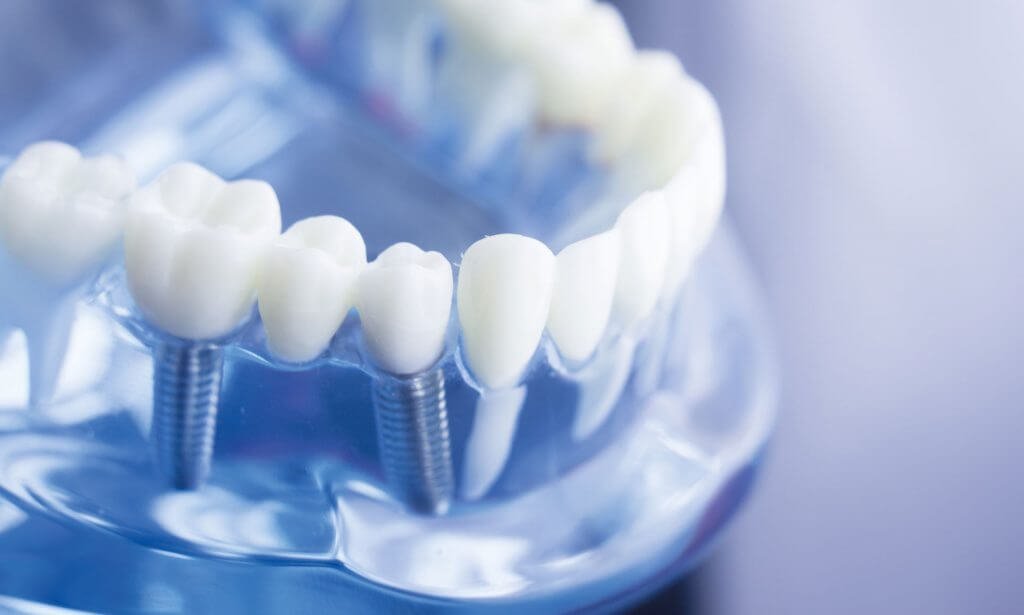
Dental implants are titanium screws that act as artificial tooth roots. They are placed into the jawbone to support crowns, bridges, or full dentures. Unlike removable dentures, implants are permanent and function just like natural teeth. They not only restore appearance but also improve oral health, prevent bone loss, and maintain facial structure.

Types of Dental Implants

There are several types of dental implants available depending on your needs:

  1. Single-tooth implants: Ideal for replacing a single missing tooth.

  2. Multiple implants: For replacing several teeth while maintaining strong support.

  3. Full-arch implants (All-on-4/All-on-6): Designed for patients who need a full mouth reconstruction.

  4. Mini implants: Smaller in size, these are used for areas with limited bone availability.

Cost Advantages of Dental Implants in Hungary

Cost is a major reason people choose dental implants in Hungary. A single implant in the UK can cost upwards of £2,000, while in Hungary, prices range from £700 to £1,000 per implant. Full-mouth reconstructions, which may cost £20,000 in the UK, can often be completed for less than £8,000 in Hungary.

This difference does not mean lower quality. On the contrary, Hungarian clinics are known for delivering excellent results, often using premium materials and the latest technology. Patients also save on travel and accommodation when clinics provide comprehensive packages, which often include airport pickup and hotel stays.

Choosing the Right City and Clinic

Best Cities for Dental Implants

  • Budapest: The largest number of top-rated clinics and most popular among international patients.

  • Debrecen: Known for high-quality clinics with competitive pricing.

  • Szeged: Offers modern facilities and a comfortable environment for international visitors.

  • Pécs: A quieter city with reputable dental clinics, ideal for patients who prefer a slower pace.

Tips for Choosing a Clinic

  1. Verify credentials: Make sure the dentist is licensed and accredited.

  2. Read patient reviews: Genuine feedback helps in selecting a reliable clinic.

  3. Check equipment: Ensure the clinic has modern dental technology.

  4. Ask about packages: Some clinics include accommodation, transfers, and follow-up care.

  5. Confirm experience: Choose a dentist who specialises in implants for better outcomes.

The Dental Implant Procedure

Getting dental implants in Hungary involves a series of steps to ensure optimal results:

1. Initial Consultation

Your journey begins with a consultation, either online or in-person. The dentist evaluates your oral health, discusses options, and creates a personalised treatment plan.

2. Comprehensive Scans and Planning

High-resolution imaging, including 3D scans, helps plan precise implant placement. The dentist assesses bone density and jaw structure to select the right implant size.

3. Implant Surgery

The titanium implant is surgically placed into the jawbone under local anaesthetic. The procedure is generally painless, with most patients experiencing only mild discomfort afterward.

4. Healing and Osseointegration

The implant fuses with the jawbone over several months. This process, called osseointegration, is crucial for stability and long-term success.

5. Abutment and Crown Placement

After the healing period, the abutment and crown are attached, completing your smile restoration. Modern crowns are designed to match the natural shape, size, and colour of your teeth.

Benefits of Dental Implants in Hungary

  1. High-quality care: Dentists are experienced and often internationally trained.

  2. Cost-effective: Treatment costs are significantly lower than in many other European countries.

  3. Durability: With proper care, implants can last 20 years or more.

  4. Natural look and function: Implants function like natural teeth, improving speech and bite.

  5. Convenient packages: Many clinics provide comprehensive care, including accommodation and travel assistance.

Preparing for Your Trip to Hungary

Proper planning can make your dental journey smooth and stress-free:

  • Book in advance: High-demand clinics fill up quickly.

  • Gather records: Bring previous dental reports and X-rays.

  • Arrange travel and accommodation: Many clinics offer assistance with bookings.

  • Consider recovery time: Schedule a few days after surgery for rest before returning home.

  • Health preparation: Maintain good oral hygiene and consult your doctor if you have any health conditions.

Aftercare for Dental Implants

Aftercare is essential for the longevity of your implants:

  • Brush and floss gently around the implant.

  • Avoid hard or sticky foods during the initial healing period.

  • Attend follow-up appointments as scheduled by your dentist.

  • Quit smoking or reduce alcohol intake, as these can impede healing.

  • Use recommended oral hygiene products, such as antimicrobial mouthwash.

Common Concerns About Dental Implants

Is it painful?
Most patients report minimal discomfort thanks to local anaesthetic and modern surgical techniques. Mild swelling or soreness may occur during healing.

How long do implants last?
With proper care, implants can last 20 years or more. Regular dental check-ups increase longevity.

Who is eligible?
Most adults with healthy gums and sufficient jawbone can receive implants. Bone grafts are available for those with insufficient bone.

Can I travel for implants?
Yes. Hungary’s central location in Europe and easy flight connections make it convenient for international patients.

Combining Dental Implants with a Trip to Hungary

One advantage of choosing Hungary is the opportunity to explore beautiful cities while receiving treatment. Budapest offers historic architecture, thermal baths, and vibrant nightlife. Cities like Pécs and Szeged provide a calmer environment with cultural landmarks and scenic streets. Many patients enjoy combining a dental visit with a mini vacation, making the experience enjoyable rather than stressful.

Tips for a Successful Dental Implant Experience

  1. Do your research: Compare clinics, prices, and dentist experience.

  2. Plan financially: Understand total costs, including treatment, travel, and accommodation.

  3. Follow instructions: Strictly adhere to pre- and post-operative guidelines.

  4. Maintain oral hygiene: Brush twice daily and floss carefully.

  5. Monitor healing: Contact your dentist immediately if you experience unusual pain or swelling.

Why Dental Tourism in Hungary Is Growing

Hungary’s reputation as a dental tourism hub is built on quality, affordability, and accessibility. Patients save significant amounts without compromising care. The growth of professional clinics, patient-focused services, and easy travel arrangements has made Hungary a preferred destination for dental implants in Hungary.

Choosing Hungary for dental implants in Hungary is a smart decision for anyone seeking quality, affordability, and convenience. From highly trained dentists and modern clinics to cost-effective packages and beautiful surroundings, Hungary has all the elements for a successful dental journey. Whether you need a single implant, multiple teeth, or a full-mouth restoration, planning ahead ensures your experience is smooth and rewarding. Investing in dental implants is an investment in your smile, health, and confidence—and Hungary offers the perfect opportunity to achieve it in 2026.

Сollaborator

Category

Trending