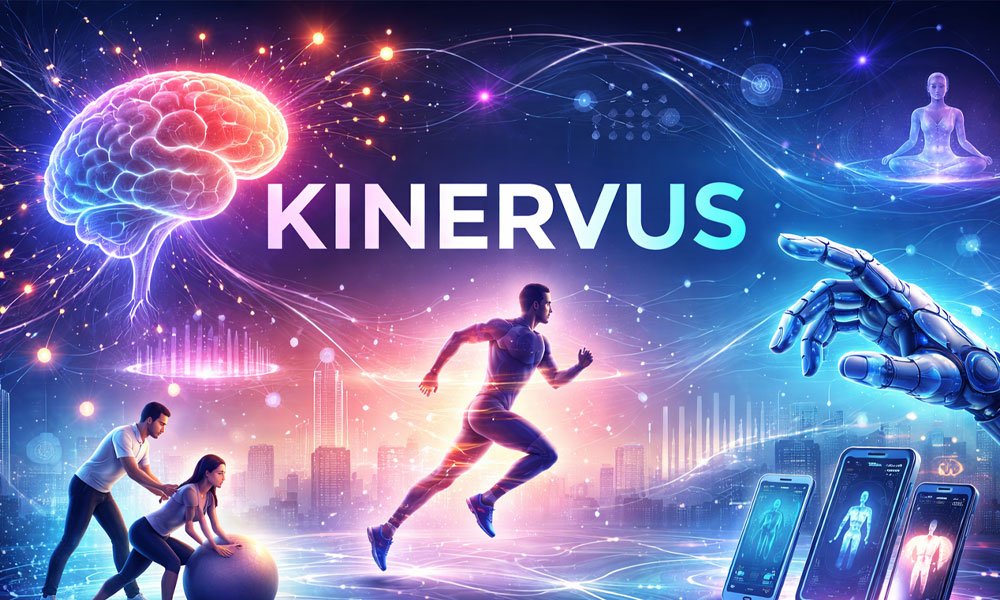
Have you ever heard a word that feels new but somehow makes perfect sense? That is what happens when people first discover Kinervus. The word sounds modern, almost futuristic, yet it is deeply connected to something very natural — the way our body and mind work together.
In today’s world, where health, movement, and technology keep growing fast, Kinervus has become an interesting topic. Many people use it to talk about nerve control, smart movement, human performance, or even new tech that responds to our actions. But what does it really mean? And why is it so important right now?
In this article, we will take a clear and simple look at the meaning behind Kinervus. We will explore how it works in the body, how it shows up in science, and why so many fields — from sports to robotics — are paying attention to it. By the end, you will see how one small word can explain a big idea that touches daily life, health, and the future of technology.
What Kinervus Really Means
Kinervus comes from two simple ideas: kinesis, which means movement, and nervus, which means nerves. When you put them together, you get a word that explains how movement and the nervous system work side by side. It is a clean, modern way to talk about the link between brain signals and physical action.
The beauty of Kinervus is that it is flexible. It is not locked into one meaning. Some people use it in science. Others use it in sports, health care, AI, or even branding. The word feels smart and fresh, which makes it perfect for new ideas. It also sounds natural, because everything we do — walking, smiling, typing, lifting — comes from nerves speaking to muscles.
Think about the last time you reached for a cup. Your brain planned the move, your nerves sent the message, and your hand followed through. That simple moment is Kinervus in action. It is the dance between nerves and motion, happening quietly every second of the day.
How Kinervus Works in the Human Body
Every movement in your body starts with a signal from your brain. When you decide to move, even for something tiny like blinking or turning your head, the brain sends an electrical message through the nerves. These messages travel fast, almost like little lightning bolts, until they reach the muscles and tell them what to do. That smooth chain of communication is what we call Kinervus.
The interesting part is how smart and quick this system is. When you walk on uneven ground, your body adjusts without you thinking about it. Your nerves sense the change, send feedback to the brain, and your muscles respond instantly. This is the Kinervus loop — the non-stop conversation between your brain, nerves, and muscles that keeps you balanced and safe.
A simple example is learning to ride a bike. At first, your body struggles because the Kinervus system is still finding the right pattern. But with practice, the brain learns, the nerves remember, and the movements become smooth. That is how Kinervus grows stronger — through repetition and experience.
Kinervus and the Science of Nerve Control
Scientists use the word Kinervus to explain how the nervous system shapes our movement. One key idea here is neuroplasticity, which is the brain’s ability to adapt and learn. When you try a new skill, your nerves build better pathways. When you repeat it many times, those pathways become stronger and faster. This is all part of the Kinervus process.
This explains why athletes react so quickly, or why musicians move their hands with such precision. Their nervous system has trained itself to send signals with great speed and accuracy. Kinervus shows how nerve control grows with practice. It also explains why mistakes help us learn — every small error teaches the brain what to fix next time.
Even daily habits connect to Kinervus. Simple acts like brushing your teeth or typing become automatic because the nerve pathways are well developed. Your body remembers the action, and your nerves guide the movement without much effort. This invisible teamwork is the heart of Kinervus science.
Why Kinervus Matters for Human Movement
Movement is not just about muscle strength. It is about how well your nerves and muscles communicate. That is why Kinervus is such an important idea. It explains why good coordination, balance, and control come from the nervous system, not just the body’s physical parts.
Imagine catching a falling object. You do not stop and think. Your nerves react before you even realize it. That quick response is Kinervus at work. The faster and clearer the signals, the smoother the movement. When the signals are slow or confused, the movement feels clumsy or delayed.
Kinervus also guides everyday tasks. Standing up from a chair, climbing stairs, tying shoelaces — all of these depend on clear nerve signals. When the Kinervus system is strong, these things feel easy. When it is weak, even normal tasks can feel difficult. This is why understanding Kinervus can help people improve the way they move.
Kinervus in Health and Rehabilitation
Kinervus plays a big role in health care, especially in rehabilitation. When someone has a stroke, brain injury, or a condition like Parkinson’s disease, the nerve pathways can be affected. This makes movement harder, slower, or less controlled. Rehabilitation helps retrain the Kinervus system so the person can regain strength and function.
Therapists use simple, repeated exercises to help the nerves build new pathways. This is why practice is so important in recovery. The more the brain and muscles repeat a movement, the better the Kinervus system learns to work again. Patients often start with small steps, like lifting a leg or holding an object, and slowly build up stronger skills.
Kinervus is also key in treating balance issues, coordination problems, and walking difficulties. When people understand how their nerves guide their movement, they gain more control over their recovery. This makes rehabilitation not just physical, but also empowering.
Kinervus in Sports and Performance Training
Athletes talk a lot about strength and endurance, but the real secret behind great performance is the Kinervus system. Fast runners respond to signals before they even think. Dancers remember complex steps because their nerves learned the pattern. Basketball players make quick cuts because their nerves guide the motion with perfect timing.
Training the Kinervus system can make someone faster, smoother, and more confident in their movement. This is why coaches use reaction drills, balance work, and coordination exercises. These activities sharpen nerve responses and help the body move as one clear unit. When the Kinervus system is strong, the athlete’s movements look effortless.
You might notice this in your own life too. The more you practice something — a sport, a hobby, or even a simple skill — the easier it becomes. That is because the Kinervus system is learning. It remembers what worked, fixes what didn’t, and builds a smoother path for next time. This is why athletes often say, “trust your body.” Their nerves already know the way.
Kinervus in Modern Technology
Technology today moves closer to the human body than ever before. Devices are learning to read our actions, understand our signals, and even respond to our touch or movement. This is why the idea of Kinervus fits perfectly with modern tech. It reminds us that the best technology works with us, not against us.
Wearable devices already track our steps, heart rate, and muscle activity. Some tools can even pick up tiny nerve signals before we move. These systems use the same ideas found in Kinervus — they watch how the body sends messages and translate them into useful data. This helps people improve posture, movement, or daily habits with simple feedback.
Think about phones that unlock with your face, or gaming systems that follow your body movement. All of this reflects the spirit of Kinervus. Tech is slowly learning to follow the natural path of nerve and motion, making life easier, smoother, and more connected.
Kinervus in Robotics and Prosthetics
Robotics is one of the most exciting places where Kinervus comes to life. Modern robots are designed to move more like humans. They follow patterns inspired by nerve signals, allowing them to walk, lift, or react in a smoother way. This helps in industries, homes, and even medical care.
But the biggest change is happening in prosthetic limbs. These advanced limbs can now “listen” to nerve signals under the skin. When a person thinks about moving their hand, the prosthetic responds. This is Kinervus in action — a perfect blend of nerve intent and physical movement. It feels natural, almost like the limb is part of the body again.
Imagine someone picking up a cup using a prosthetic hand controlled by their nerve signals. There is no button, no switch — only thought. This shows how powerful the Kinervus idea is for the future of mobility, independence, and human confidence.
Kinervus as a Concept for Better Everyday Living
Kinervus is not just for science or technology. It also helps us understand our daily life. When you pay attention to how you move, you start to notice small patterns. Maybe your shoulders lift when you feel stressed. Maybe your steps become slower when you are tired. These signals show how your nerves guide your motion every moment.
Simple awareness can make a big difference. When you walk with better posture, breathe more deeply, or stretch your muscles, you support your Kinervus system. This means your nerves send clearer messages, and your body responds in a smoother way. It also helps reduce pain, stiffness, or fatigue.
Even small habits like taking breaks, staying hydrated, and sleeping well can support good nerve function. When your Kinervus system is healthy, you feel more balanced, more alert, and more in control of your day.
Kinervus as a Brand and Modern Idea
The word Kinervus has a clean and modern sound. This makes it attractive for brands, projects, and new ideas. It carries a mix of science, movement, and intelligence, which is perfect for companies in health, fitness, rehabilitation, robotics, or even AI.
Businesses today look for names that feel fresh but still meaningful. Kinervus gives that feeling. It shows progress and connection. It suggests smart design and a human-centered approach. A brand with this name would instantly feel trustworthy, modern, and future-ready.
Because Kinervus is flexible, it can grow across different fields. A company can use it for a device, a training program, a therapy method, or even a technology platform. The word adapts easily, which makes it powerful for long-term branding.
The Future of Kinervus
The future of Kinervus looks bright because it sits at the center of many fast-growing fields. Neuroscience is advancing every year. Artificial intelligence is becoming smarter. Robotics is becoming smoother and more natural. All of these areas depend on the connection between the brain, nerves, and movement — the true heart of Kinervus.
In the coming years, we may see brain–computer systems that allow people to control devices with thought alone. We may see prosthetics that feel exactly like natural limbs. We may use fitness tools that adjust our workouts based on nerve signals. The Kinervus idea will guide these changes because it focuses on natural communication within the body.
Even education may use Kinervus concepts. Teachers may help students understand how their brain learns movement or how habits shape nerve pathways. When people understand their own bodies better, they make better choices for health, work, and daily life.
Conclusion
Kinervus is more than just a modern word. It explains the deep connection between your mind and your movement. It shows how your nerves guide every action, big or small. And it gives us a simple way to understand a process that has always been inside us.
As technology and science grow, the idea of Kinervus becomes even more important. It helps us create better tools, train smarter, recover faster, and live with more awareness. When we understand how our nerves and body work together, we learn how to move better, live better, and think better.
In the end, Kinervus reminds us of something simple but powerful: every movement begins with a message from within. And when those messages are clear, our whole life feels a little smoother.
FAQs
What does the word Kinervus really mean?
Kinervus comes from two ideas: movement and nerves. It shows how the brain sends signals through nerves to guide every action we make. It is a simple way to explain the connection between mind and movement. Many people use the word today because it feels modern, scientific, and easy to understand.
Why is Kinervus important in daily life?
Kinervus affects everything you do — walking, typing, lifting, or even smiling. When your nerves send clear messages, your movements feel smooth and natural. When the messages are weak or slow, movement can feel difficult. Understanding Kinervus helps you take better care of your body and how it moves.
How does Kinervus help in sports and performance?
Athletes use the Kinervus system every second. Their brain sends fast signals that help them run, jump, and react quickly. Good practitioners train their nerves, not just their muscles. This leads to better balance, timing, and speed. When the Kinervus system is strong, performance becomes smoother and easier.
What role does Kinervus play in rehabilitation?
Rehabilitation often focuses on retraining nerve pathways. People recovering from stroke, injury, or neurological conditions must rebuild these pathways through simple, repeated movements. This helps the brain learn again, allowing the body to move with more control. Kinervus is at the center of this healing process.
How does technology use Kinervus concepts?
Modern tech tools watch how we move and read signals from our nerves. Wearables track muscle activity, smart devices follow body motion, and apps help improve posture. All these tools work by understanding the natural Kinervus link between nerves and movement. This makes technology more human-friendly.
What does Kinervus mean for robotics and prosthetics?
Robots today move more like humans because they follow patterns inspired by nerve signals. Prosthetic limbs can now respond to the user’s thoughts by reading small nerve signals under the skin. This creates natural, smooth movement. These amazing changes are built on the core idea of Kinervus.
Can Kinervus help improve everyday habits?
Yes. Simple habits like better posture, mindful breathing, stretching, and staying active support healthy nerve function. When your Kinervus system is strong, your movements feel easier and your body feels less tense. Even small changes in daily life can help your nerves send clearer signals.
Is Kinervus only for science and technology?
No, anyone can use the idea of Kinervus. It helps athletes, therapists, teachers, and even regular people understand how the body works. The concept is simple: better nerve communication leads to better movement. This idea fits into health, exercise, learning, and everyday life.
Why is Kinervus a good name for brands or projects?
Kinervus sounds modern, fresh, and intelligent. It gives a sense of movement, energy, and connection. This makes it great for brands in health, wellness, AI, robotics, fitness, or rehabilitation. The word is flexible, so companies can use it for many different ideas and grow with it.
What might the future of Kinervus look like?
The future may bring smarter devices, brain–computer tools, advanced prosthetics, and new learning methods — all based on nerve–movement science. As technology becomes closer to the human body, Kinervus will help guide how we design tools that follow our natural signals. It will shape the way we move, learn, and interact with the world.
You may also read: What Is Lakede? A Clear and Friendly Guide for Everyone